


Comprehensive Guide to Fiber Optic Component Applications
Solutions for Modern Network Infrastructure
DiMi Fiber Solutions Across Industries & Scenarios
In today's hyperconnected world, fiber optic technology is the backbone of communications for carriers, cloud providers, enterprises, and public networks. DiMi supports these diverse customers with reliable, high-performance fiber components that keep mission-critical systems running-whether in telecom backbones, data centers, campus networks, FTTH deployments, transportation, or industrial automation environments.
Application-Driven Fiber Components for Complete Systems
Modern fiber infrastructure is far more than cable alone. DiMi provides a full ecosystem of matched components-cables, connectors, closures, hardware fittings, MPO/MTP assemblies, distribution boxes, and accessories-engineered around real deployment challenges: loss budget, density, installation time, and long-term durability. From 5G fronthaul/backhaul and cloud data centers to AI clusters and IoT-heavy smart campuses, we help customers build future-ready networks that maximize bandwidth and ensure long-term stability.
Engineering Partnership From Design to Deployment
Instead of offering only catalog parts, DiMi works as an application-focused partner. Our team supports network architects, system integrators, and facility managers with OEM/ODM customization, scenario-based product selection, and project-level configuration. By aligning product design, testing, and logistics with each industry's requirements, we help you deploy fiber solutions that are not only technically sound, but also easier to install, maintain, and scale as your network grows.
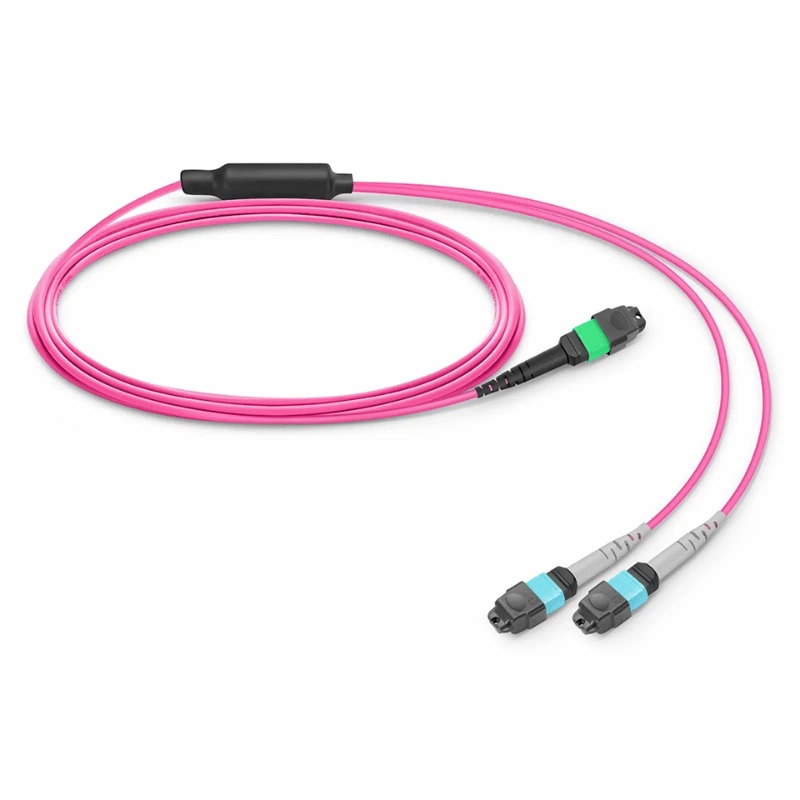
Fiber Optic Patch Cords and Pigtails
The Foundation of Network Connectivity
Understanding Critical Differences and Strategic Applications

Fiber optic patch cords and pigtails represent fundamental building blocks within any fiber infrastructure deployment. While these components may appear similar superficially, they serve distinctly different purposes and address unique connectivity challenges across diverse network environments.
Fiber optic patch cords feature pre-terminated connectors on both ends, providing plug-and-play connectivity between active equipment, patch panels, and distribution frames. These assemblies enable rapid deployment and frequent reconfiguration without requiring specialized splicing equipment or extensive technical training. In contrast, fiber optic pigtails include a factory-terminated connector on one end while the opposite end features bare fiber specifically designed for fusion splicing applications, offering permanent, low-loss connections in backbone infrastructure.
Enterprise Data Center Applications

Modern data centers face unprecedented challenges managing exponential bandwidth growth while maintaining minimal latency and maximum uptime. The applications of fiber optic cables within these mission-critical environments demand components that deliver consistent performance under demanding conditions.
High-density patch cord solutions address the space constraints inherent in contemporary data center architectures. With server racks housing increasingly powerful computing resources, cable management becomes paramount. Premium patch cord assemblies featuring ultra-low-profile connectors, reduced bend radius cables, and color-coded identification systems enable data center operators to maximize port density while maintaining organized, serviceable installations.
Leading manufacturers offer patch cords with varying performance tiers tailored to specific data center zones. Tier-1 backbone connections between core switching infrastructure utilize premium-grade assemblies with stringent insertion loss specifications, typically below 0.3dB, ensuring optimal signal quality across extended transmission distances.
Telecommunications Infrastructure Solutions
Telecommunications service providers operate vast fiber networks spanning metropolitan areas, regional territories, and international boundaries. The applications of fiber optic cables within carrier environments demand components engineered for outdoor deployment, extended temperature ranges, and decades of maintenance-free operation.
Fiber optic pigtails serve critical roles in central office environments, enabling technicians to establish permanent spliced connections between outside plant cables and indoor distribution equipment. Pre-terminated pigtails with factory-polished connectors eliminate field termination inconsistencies, ensuring reliable performance and reducing installation time.
Telecommunications providers increasingly deploy distributed antenna systems and small cell networks to address capacity constraints and coverage gaps in dense urban environments. These deployments require ruggedized patch cord assemblies capable of withstanding outdoor environmental conditions.

Key Advantages and Pain Point Solutions
Superior Quality Assurance
Premium manufacturers implement comprehensive testing protocols including insertion loss verification, return loss measurement, and end-face geometry inspection for every assembly.
Extended Temperature Performance
Industrial-grade patch cords featuring specialized cable designs maintain optical performance across temperature ranges from -40°C to +85°C.
Flexible Length Options
Comprehensive length catalogs ranging from 0.5 meters to 100+ meters accommodate diverse installation requirements without necessitating custom fabrication.
Multiple Connector Options
Support for industry-standard connector interfaces including LC, SC, ST, FC, MPO/MTP, and emerging SN connectors ensures compatibility with existing infrastructure.
Fiber Optic Splitters
Enabling Passive Optical Network Architecture

Fiber optic splitters represent essential passive components within modern network architectures, enabling single fiber feeds to serve multiple endpoints without requiring active electronics or external power sources. These devices leverage planar lightwave circuit technology or fused biconical taper fabrication to divide optical signals across multiple output ports with minimal insertion loss and excellent uniformity.
The applications of fiber optic cables incorporating passive optical network architecture have revolutionized telecommunications service delivery, enabling providers to extend fiber connectivity to residential subscribers, business customers, and cellular backhaul applications while dramatically reducing infrastructure costs compared to traditional active Ethernet approaches.
Fiber-to-the-Home Service Provider Applications
Residential broadband service providers face constant pressure to expand network reach while controlling capital expenditure and operational costs. Passive optical network architecture leveraging fiber optic splitters addresses these challenges by enabling a single fiber from the central office to serve 32, 64, or even 128 residential subscribers through cascaded splitting stages.

Enterprise Campus Network Applications

Enterprise organizations increasingly leverage passive optical network architecture for campus fiber distribution, reducing active equipment quantities while extending network reach across multiple buildings. Fiber optic splitters enable dedicated campus data center connections to serve multiple building aggregation points.
Critical Selection Criteria and Performance Advantages
Wavelength Performance
Premium splitters maintain consistent splitting ratios and low insertion loss across the entire wavelength spectrum from 1260nm to 1650nm.
01
Temperature Stability
Industrial-grade splitters maintain optical performance specifications across extended temperature ranges, enabling reliable operation in diverse environments.
02
Split Ratio Uniformity
Superior manufacturing processes deliver excellent uniformity across output ports, typically within 1.0dB variation.
03
Compact Form Factors
Miniaturized splitter modules with integrated fiber management enable installation within space-constrained enclosures.
04
Fiber Optic Adapters
Ensuring Reliable Interconnection Points
Essential Functions Within Network Architecture
Fiber optic adapters serve the critical function of precisely aligning mated connector pairs, ensuring optimal optical coupling between interconnected fibers while providing mechanical protection and environmental sealing. These seemingly simple components significantly impact overall network performance, with alignment precision directly influencing insertion loss, return loss, and long-term connection reliability.
The applications of fiber optic cables rely extensively on high-quality adapter components at every interconnection point throughout the network infrastructure. From data center patch panels to outdoor splice enclosures, adapter selection directly impacts operational efficiency, maintenance procedures, and long-term network reliability.

Data Center and Equipment Room Deployments

Modern data centers incorporate thousands of fiber connections spanning structured cabling systems, equipment racks, and interconnection facilities. Fiber optic adapters within high-density patch panels enable organized connectivity while maintaining the signal integrity required for high-bandwidth applications.
High-density applications increasingly leverage LC duplex and MPO/MTP multi-fiber adapters that maximize port density within limited rack space. LC uniboot adapters with integrated duplex connectivity reduce the cable quantities and improve airflow management within densely populated equipment racks.
Outdoor and Harsh Environment Applications
Telecommunications infrastructure extends throughout diverse environmental conditions, from climate-controlled central offices to exposed outdoor installations subjected to temperature extremes, moisture, dust, and physical abuse.
Waterproof adapter assemblies with O-ring seals and threaded coupling mechanisms ensure reliable operation within street-side cabinets, aerial enclosures, and underground hand-holes where moisture intrusion represents constant concerns.

Performance Characteristics and Selection Guidelines
Insertion Loss Performance
Premium adapters achieve typical insertion loss values below 0.3dB for single-mode applications and below 0.5dB for multimode deployments.
Return Loss Specifications
Superior adapter designs deliver return loss performance exceeding 50dB for APC connections and 40dB for PC connections.
Durability and Mating Cycles
Industrial-grade adapters withstand thousands of mating cycles without performance degradation, ensuring long-term reliability.
Keying and Polarity Management
Color-coded adapter boots and key-up/key-down configurations enable systematic polarity management within complex fiber infrastructures.
Fiber Optic Enclosures and Distribution Boxes
Protecting Critical Infrastructure

Fiber optic enclosures and distribution boxes provide essential protection, organization, and access for fiber infrastructure deployed throughout network environments. These enclosures accommodate splicing activities, house passive components including splitters and wavelength division multiplexers, and provide organized termination points for fiber cables serving multiple destinations.
The applications of fiber optic cables across enterprise campuses, telecommunications networks, and industrial facilities require enclosure solutions tailored to specific environmental conditions, capacity requirements, and operational workflows. Leading manufacturers offer comprehensive product families spanning indoor wall-mounted units to outdoor underground pedestals, ensuring appropriate solutions for every deployment scenario.

Outside Plant Telecommunications
Street-side distribution cabinets serve as critical aggregation points within passive optical network architectures, housing first-stage splitters, fiber management infrastructure, and splice organization systems.

Enterprise Building Applications
Indoor fiber distribution boxes installed within telecommunications rooms serve as demarcation points between backbone fiber routes and horizontal distribution serving individual floors or tenant spaces.

Data Center Solutions
Large-capacity rack-mounted enclosures serve distribution needs within enterprise data centers requiring high fiber counts and frequent reconfiguration, integrating seamlessly with standard 19-inch racks.
Critical Features and Operational Benefits
Modular Capacity Scaling
Enclosure architectures supporting incremental capacity expansion through addition of splice trays, adapter plates, and splitter modules enable organizations to align initial investment with immediate requirements while accommodating future growth.
Comprehensive Fiber Management
Integrated bend radius protection, organized routing guides, and systematic cable entry provisions prevent fiber damage during installation and maintenance activities while maintaining industry-specified minimum bend radius requirements..
Environmental Protection
Appropriate enclosure selection based on deployment location ensures adequate protection from moisture, dust, temperature extremes, and physical hazards. IP-rated housings with weatherproof gaskets provide reliable outdoor operation.
Accessible Maintenance Design
Swing-out panels, sliding trays, and color-coded organization systems enable efficient troubleshooting and repair procedures for technicians working under time constraints or challenging conditions.
Fiber Optic Hardware and Accessories
Supporting Reliable Infrastructure
Essential Components for Professional Installations
Fiber optic hardware and accessories encompass the diverse range of supporting components required for professional network installations including cable management systems, mounting brackets, sealing products, and protective materials. While these ancillary items may appear less critical than active components, their proper selection and application significantly impact installation quality, long-term reliability, and maintenance efficiency.
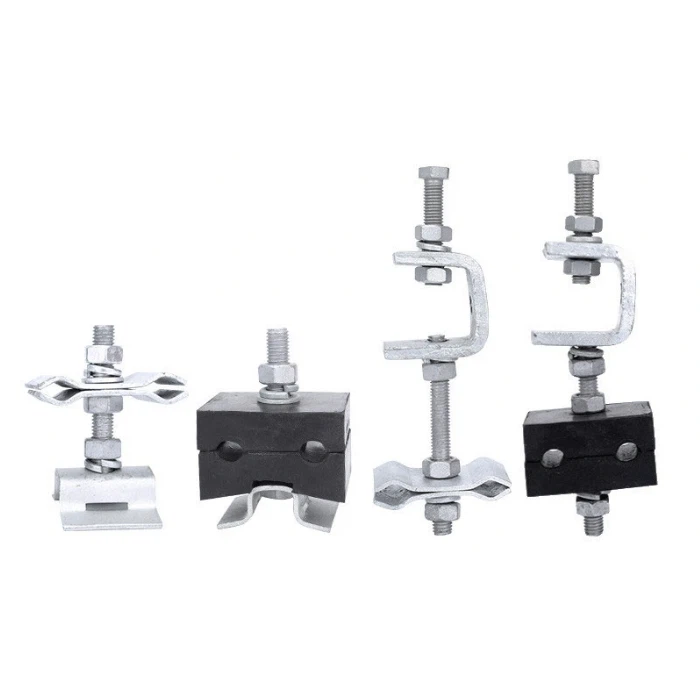
Cable Management Systems
Proper cable management represents a critical factor in maintaining fiber network performance and operational efficiency. Fiber optic cables require careful routing to prevent excessive bending, crushing, or strain.
- Vertical cable managers for rack organization
- Horizontal managers for patch cord routing
- J-hooks and cable trays for building runs
Sealing and Protection Products
Fiber infrastructure deployed in outdoor environments requires comprehensive sealing systems that prevent moisture intrusion while accommodating thermal expansion, cable movement, and future additions.
- Heat-shrink enclosures for buried splices
- Gel-sealed connectors and cable entries
- Flooding compounds and water-blocking tape
Installation Tools and Test Equipment
Professional fiber optic installations require specialized tools and test equipment that ensure proper component installation, verify optical performance, and enable efficient troubleshooting.
- Fiber optic cleaning products and fluids
- Visual fault locators for troubleshooting
- Optical time domain reflectometers
The Importance of Proper Installation Accessories

While often overlooked, high-quality accessories form the foundation of reliable fiber optic installations. Inferior cable management systems can lead to excessive fiber bending, causing signal loss and potential failure points. Inadequate sealing products in outdoor environments can result in moisture intrusion that degrades performance over time.
Professional-grade tools ensure precise termination and splicing, minimizing insertion loss and return loss that directly impact network performance. Regular cleaning with appropriate products prevents contamination buildup that can cause gradual degradation of optical connections.
Comprehensive accessory portfolios from leading manufacturers ensure compatibility between components, simplifying procurement and ensuring optimal performance across the entire fiber infrastructure.
Fiber Optic Connectors
Enabling Universal Compatibility
Fiber optic connectors represent critical interface points throughout network infrastructure, enabling field-installable terminations, supporting equipment compatibility, and providing serviceability for ongoing operations. Connector technology has evolved substantially over decades of fiber deployment, with diverse form factors addressing specific application requirements including density, performance, and environmental protection.
The applications of fiber optic cables throughout telecommunications, enterprise, and industrial networks leverage multiple connector types, each optimized for particular deployment scenarios. Understanding connector characteristics, performance specifications, and application suitability enables informed decisions that balance immediate requirements with long-term flexibility.

Enterprise and Data Center Connector Applications

LC Connectors
LC connectors utilize a 1.25mm ferrule compared to the 2.5mm ferrule of older SC connectors, enabling substantially higher port density within equivalent panel space. This density advantage proves critical in hyperscale data centers and enterprise equipment rooms where rack space represents valuable real estate.

MPO/MTP Connectors
MPO/MTP multi-fiber connectors enable parallel optics applications required for 40G, 100G, 400G, and 800G Ethernet deployments. These connectors accommodate 12, 24, or 72 individual fibers within a single compact interface, dramatically reducing the physical connection quantities compared to individual duplex connections.

SC Connectors
SC connectors remain prevalent in many telecommunications equipment chassis and patch panels due to their robust push-pull coupling mechanism and field-proven reliability. The larger ferrule size compared to LC connectors simplifies field termination procedures.
Industrial and Harsh Environment Solutions

Industrial facilities, transportation infrastructure, and outdoor deployments demand connector solutions engineered for harsh environmental conditions including temperature extremes, vibration, dust, moisture, and electromagnetic interference.
Key Features of Ruggedized Connectors
Metal housings and robust coupling mechanisms
Environmental sealing (IP-rated protection)
Corrosion-resistant materials for harsh environments
Expanded beam technology for contamination resistance
Enhanced vibration and shock resistance
Performance Characteristics and Application Guidelines
Insertion Loss Performance
Premium connectors achieve typical insertion loss values below 0.3dB for single-mode applications through precision ferrule geometry, optimized polishing processes, and consistent manufacturing quality control.
Return Loss Specifications
Angled Physical Contact (APC) connectors with 8-degree ferrule angles minimize optical reflections, delivering return loss performance exceeding 60dB, essential for analog video and WDM applications.
Mating Durability
Industrial-grade connectors withstand hundreds or thousands of mating cycles without performance degradation through robust coupling mechanisms and wear-resistant ferrule materials.
Field Installation Efficiency
Pre-polished connectors with mechanical splicing assemblies enable rapid field termination without requiring specialized polishing equipment or extensive technical training.
Conclusion

DiMi as Your Long-Term Fiber Infrastructure Partner
By partnering with DiMi, you gain more than a component vendor-you gain an engineering-driven fiber solutions partner. With a comprehensive product portfolio, strict quality control, and application-focused technical support, we help operators, data centers, and enterprises build networks that meet today's performance targets
while staying ready for tomorrow's upgrades.
Future-Proof, Scalable Fiber Architectures
As bandwidth demands climb and new technologies like 5G, cloud, AI, and IoT reshape network architectures, DiMi's fiber products-cables, connectors, closures, hardware, and high-density assemblies-are designed for scalability and flexible evolution. We support multi-generation roadmaps so your investment today becomes the solid foundation for future expansions instead of a bottleneck.
Service, Support & Lifecycle Value
From early design consultation and product selection to customization, testing, and delivery, DiMi focuses on lowering your total cost of ownership, not just unit price. By choosing premium, well-matched fiber components and a responsive technical team, organizations reduce failure rates, cut maintenance costs, and secure robust fiber infrastructure ready to handle the next wave of networking challenges.