Understanding the Critical Role of Advanced Connectivity
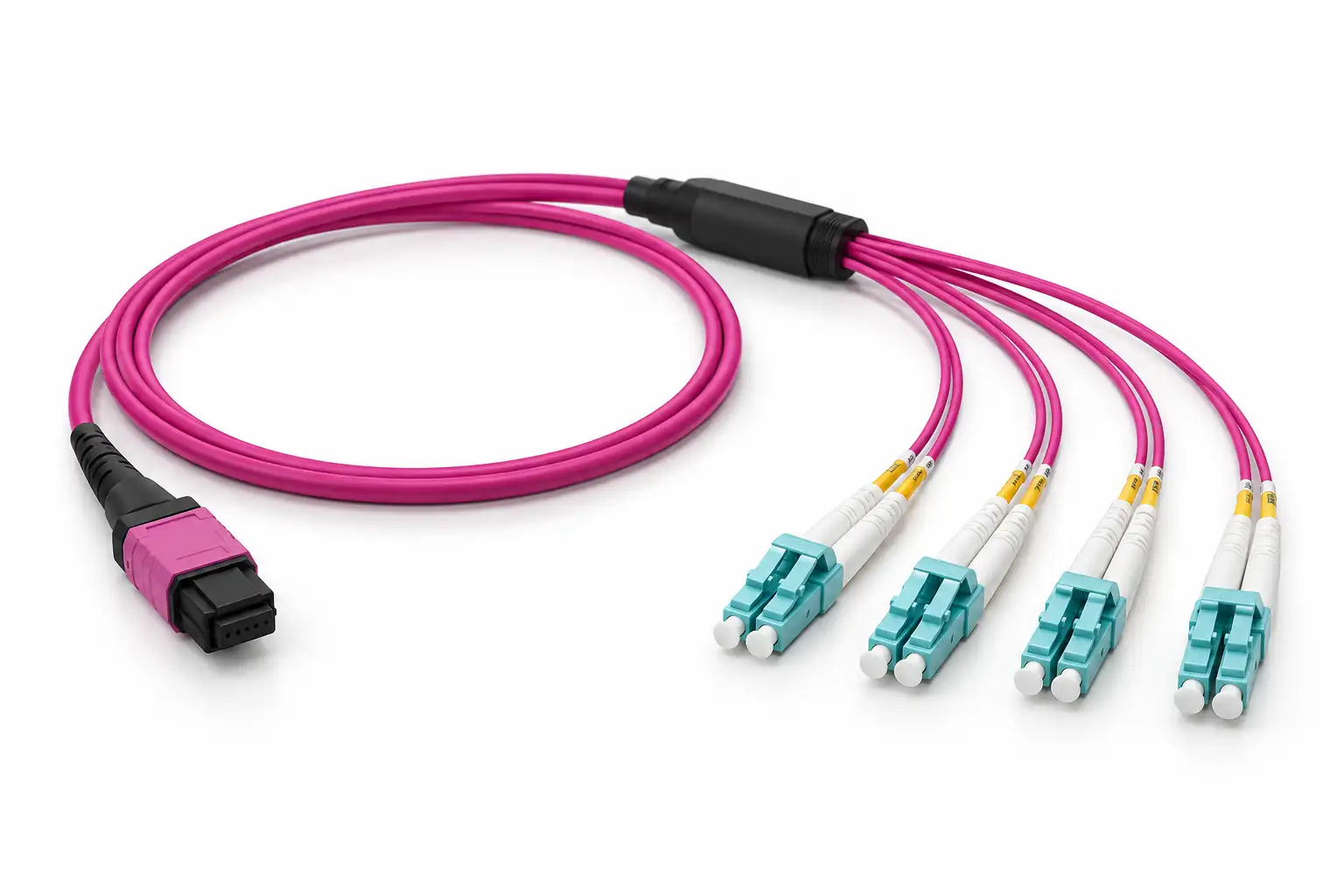
The fiber pigtail represents a fundamental yet often underappreciated component in optical networks. This specialized cable assembly—featuring a precision-polished connector on one end and unterminated fiber on the other—serves as the critical junction point between distribution cables and active equipment.
Unlike patch cables with pre-installed connectors at both ends, the fiber pigtail provides unparalleled flexibility for field termination through fusion or mechanical splicing, enabling technicians to customize installations precisely to site-specific requirements.
DIMI Fiber Pigtail Products
-
![Dimi Single Mode Fiber Optic Pigtail]() Dimi Single Mode Fiber Optic PigtailDIMI Single Mode Fiber Optic Pigtails are designed for high-performance terminations in ODFs, splice closures, terminal boxes, and patch panels. Each pigtail is factory-terminated with a
Dimi Single Mode Fiber Optic PigtailDIMI Single Mode Fiber Optic Pigtails are designed for high-performance terminations in ODFs, splice closures, terminal boxes, and patch panels. Each pigtail is factory-terminated with a

Enterprise Data Centers: Addressing Density, Speed, and Scalability Challenges
The Modern Data Center Dilemma

Data center operators face an unprecedented convergence of challenges. Server virtualization and cloud computing have dramatically increased traffic within facilities, while the explosive growth of big data analytics, artificial intelligence, and machine learning applications demands ever-greater bandwidth.
Simultaneously, physical space constraints in metropolitan areas drive requirements for extreme density in rack configurations.
Traditional cabling infrastructure struggles under these pressures. Standard patch cord deployments consume valuable rack space, create cable management nightmares, and lack the flexibility required for frequent reconfigurations.
When data center teams need to add circuits or modify connections, pre-terminated patch cords often prove either too long (creating unsightly cable tangles) or too short (necessitating complete replacement).
How Premium Fiber Pigtail Solutions Solve Data Center Pain Points
Industry-leading fiber pigtail assemblies address these challenges through several key innovations:

High-Density Architecture
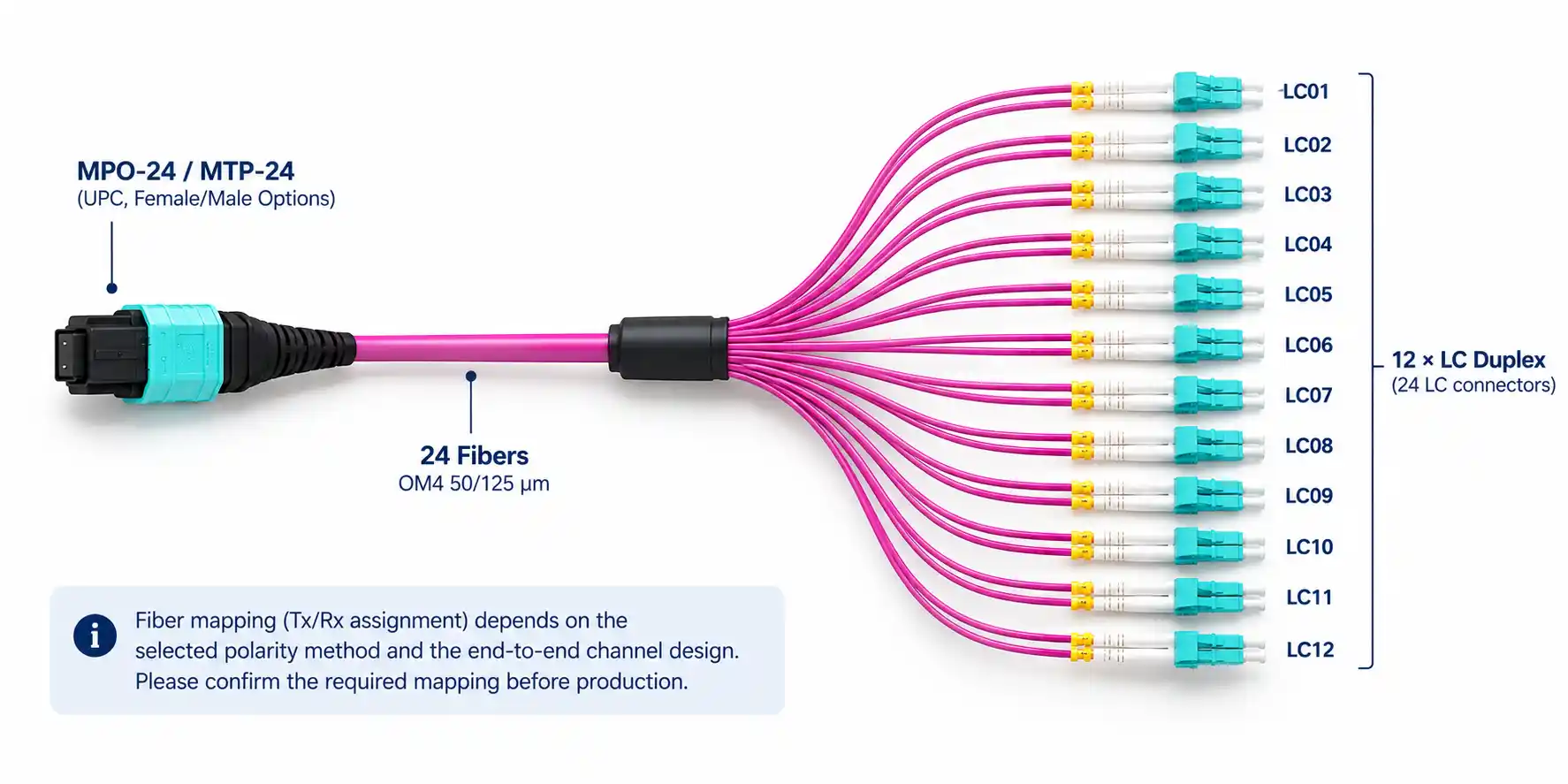
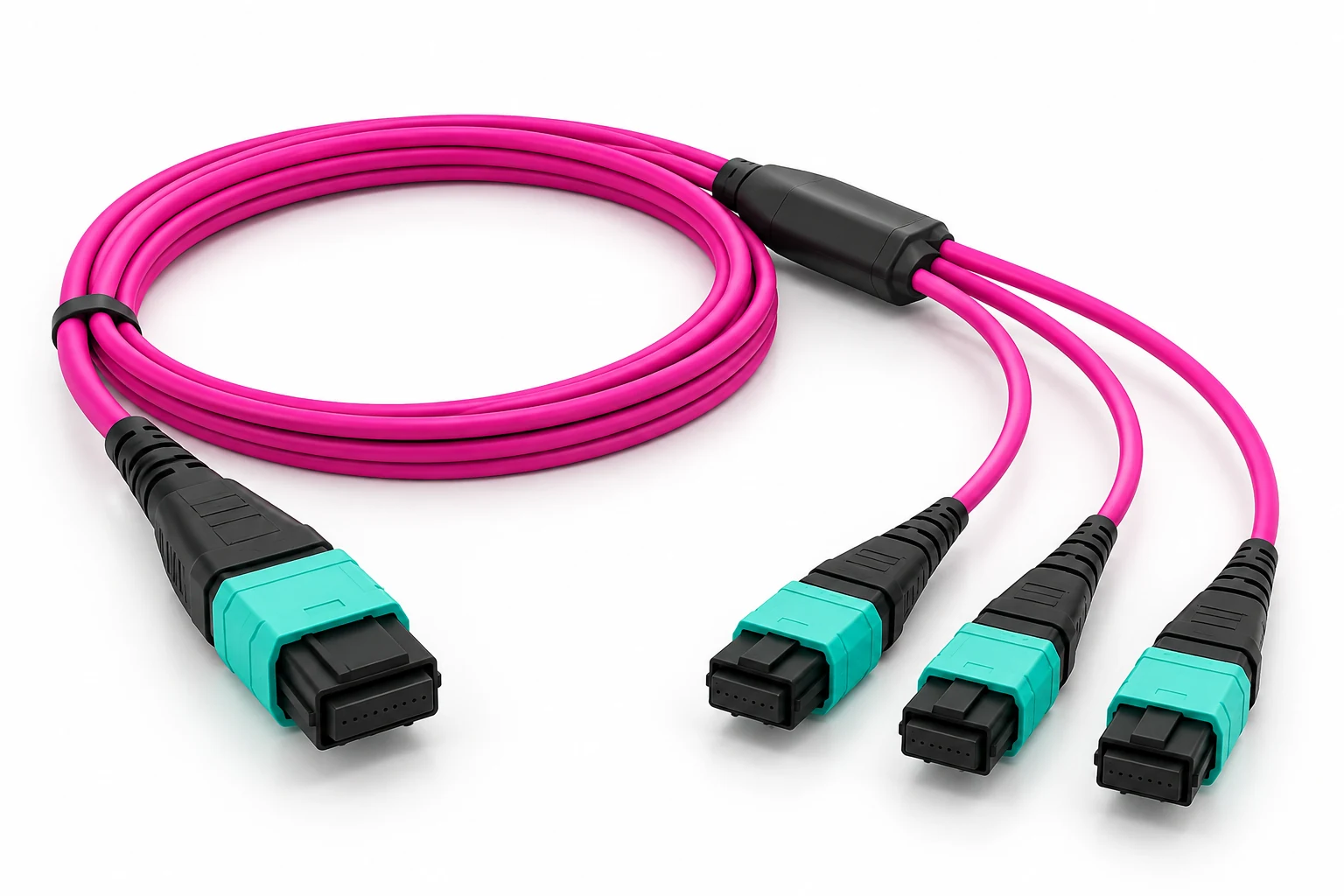
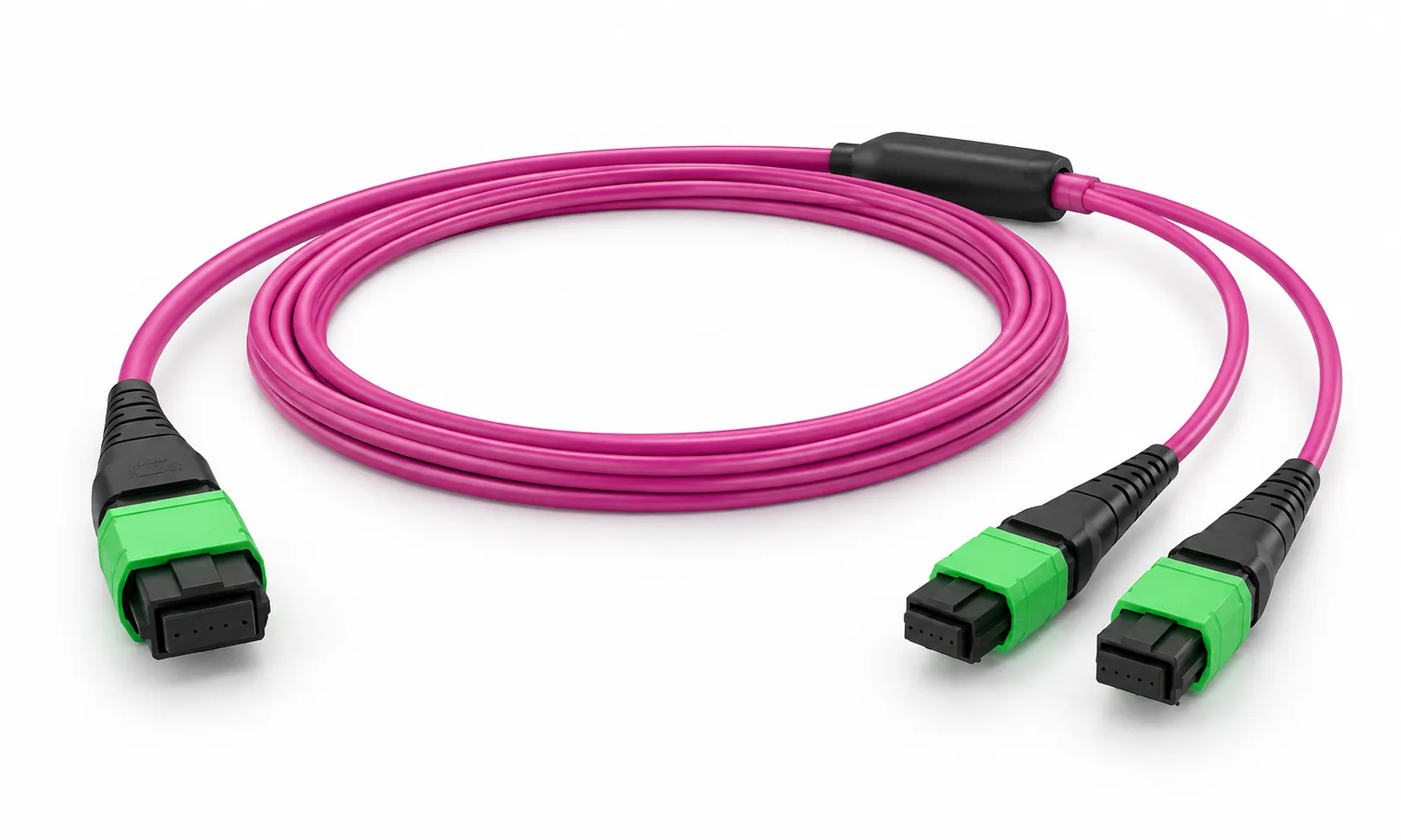
Modern multi-fiber pigtail arrays pack 12, 24, or even 48 fibers into compact bundles measuring just 2.0-3.0mm in diameter. This design reduces pathway congestion by up to 70% compared to equivalent patch cord deployments, freeing valuable rack space and improving airflow for thermal management.
Color-coded individual fibers following TIA-598 standards enable rapid visual identification, reducing installation time and minimizing costly patching errors.
Factory-Precision Termination
Each connector undergoes precision ceramic ferrule polishing in controlled factory environments, achieving consistently low insertion loss (typically ≤0.3dB) and high return loss (≥50dB for UPC, ≥60dB for APC).
This factory termination eliminates the performance variability inherent in field-installed connectors, ensuring that every link meets stringent data center optical budgets.


Customization Flexibility
While one end features factory-installed connectors optimized for patch panel connections, the unterminated end allows field technicians to splice precisely to required lengths during installation.
This approach eliminates the excess cable slack that plagues pre-cut patch cord installations, creating neater cable pathways and simplifying future troubleshooting.
Advanced Fiber Technology
Utilizing bend-insensitive fiber conforming to ITU-T G.657.A1 standards with minimum bend radii of 10mm, premium assemblies maintain signal integrity even in tight routing scenarios common in high-density racks.
This flexibility proves particularly valuable in blade server environments and converged infrastructure deployments where space constraints are most acute.

Telecommunications Service Providers: Scaling Fiber-to-the-X Deployments
The FTTH/FTTX Infrastructure Challenge
Telecommunications carriers deploying fiber-to-the-home (FTTH), fiber-to-the-building (FTTB), and fiber-to-the-premises (FTTP) networks face unique challenges that differ substantially from data center environments.
Outdoor plant installations must withstand extreme weather, physical damage from animals and landscaping equipment, and temperature fluctuations spanning over 100°C.


Installation crews must work efficiently in challenging field conditions, often in confined spaces with limited lighting and environmental control.
Any solution requiring extensive technical expertise or specialized equipment increases training costs and reduces deployment velocity.
Meanwhile, carriers must minimize per-subscriber connection costs to achieve acceptable returns on massive infrastructure investments.
Strategic Advantages of Optimized Fiber Pigtail Solutions

Environmental Resilience
Outdoor-rated assemblies incorporate UV-resistant jackets, typically polyethylene (PE) or low-smoke zero-halogen (LSZH) compounds, that maintain flexibility and mechanical integrity across temperature extremes. Waterproof variants feature sealed connector interfaces with IP67 or IP68 ratings.

Accelerated Deployment
Pre-terminated fiber pigtail arrays reduce field labor by up to 60% compared to connectorization of individual fibers. Rather than polishing and testing dozens of connectors in environmentally-controlled splicing trailers, technicians simply splice unterminated pigtail ends to distribution cables.

Reduced Error Rates
Color-coded fiber sequencing following telecommunications industry standards ensures consistent polarity management from central office to subscriber. This systematic approach prevents the transposition errors common with field-terminated connectors, reducing costly truck rolls.

Cost-Effective Scalability
Bulk pigtail assemblies with 12, 24, or 48 fibers allow purchasing managers to optimize inventory investment. Rather than stocking dozens of patch cord variants in different lengths and connector combinations, operations teams can maintain strategic pigtail inventory that supports diverse deployment scenarios through field splicing to required specifications.

Superior Optical Performance
Telecommunications-grade fiber pigtail products utilize G.657.A2 or G.657.B3 bend-insensitive fiber optimized for access network applications.
These advanced fibers tolerate the tight bends common in outdoor enclosures and drop cable installations while maintaining low attenuation across the 1260-1625nm wavelength range.
Industrial and Manufacturing: Robust Connectivity for Harsh Environments
Industrial Communication Challenges

Manufacturing facilities, processing plants, utilities, and transportation infrastructure require communications networks that operate reliably in environments hostile to conventional telecommunications equipment.
Electrical interference from high-voltage machinery, explosive or corrosive atmospheres, extreme temperatures, vibration, and physical abuse represent daily operational realities that quickly disable standard copper or fiber cabling systems.
Industrial automation increasingly depends on high-bandwidth, low-latency communications for distributed control systems, industrial Ethernet protocols like PROFINET and EtherNet/IP, machine vision systems, and IIoT sensor networks. These applications demand connectivity solutions that deliver telecommunications-grade performance while withstanding industrial environmental conditions.
Industrial Environment Ratings
- Temperature Range:-40°C to +85°C
- Crush ResistanceExceeding: 1,000N
- Ingress Protection:IP67/IP68 Rated
- Service Life Expectancy:25+ Years
- Flame Rating:UL94 V-0

Industrial-Grade Fiber Pigtail Solutions for Demanding Applications

01
Mechanical Protection
Heavy-duty armored fiber pigtail variants incorporate stainless steel interlocking armor or corrugated tubing beneath the outer jacket, providing crush resistance exceeding 1,000N and impact protection suitable for exposed installations.

02
Chemical Resistance
Industrial-rated fiber pigtail products feature specialized jacket compounds resistant to oils, solvents, coolants, and cleaning chemicals encountered in manufacturing environments. Temperature ratings span -40°C to +85°C.

03
Electromagnetic Immunity
Unlike copper-based communications, fiber optic systems inherently immune to electromagnetic interference (EMI) and radio frequency interference (RFI). This characteristic proves invaluable near variable frequency drives and arc welders.

04
Simplified Installation
Premium fiber pigtail solutions compatible with mechanical splicing systems enable rapid field termination without expensive fusion splicing equipment or specialized training. Pre-terminated connectors eliminate contamination risks.
Medical and Healthcare: Reliability and Hygiene in Life-Critical Systems
Healthcare Facility Communications Requirements

Modern healthcare delivery depends entirely on reliable, high-bandwidth communications infrastructure. Electronic medical records, medical imaging systems (CT, MRI, ultrasound), telemedicine applications, and facility management systems generate enormous data volumes requiring low-latency, high-availability networks.
Patient safety directly depends on communications infrastructure—delayed access to medical images during emergency procedures or electronic medical record system failures can literally mean life or death. Healthcare facilities present unique environmental challenges including strict hygiene requirements, electromagnetic compatibility with sensitive diagnostic equipment, and need for continuous operation during infrastructure maintenance.
Medical-Grade Fiber Pigtail Solutions for Healthcare Applications
Infection Control and Hygiene
LSZH jacket compounds meeting IEC 60332-1 and IEC 60754 standards emit minimal toxic fumes during fire conditions. Smooth jacket surfaces facilitate cleaning and disinfection procedures. Antimicrobial coating options inhibit bacterial growth in critical areas.
EMI Immunity
Fiber optic systems' complete immunity to electromagnetic interference prevents the communication disruptions that electromagnetic emissions from medical devices cause in copper networks. This separation facilitates infection control by minimizing equipment in clinical spaces.
High Availability
Multi-fiber pigtail arrays enable economical implementation of diverse path routing, where primary and backup connections follow physically separate pathways to avoid single points of failure. Low insertion loss maximizes link budgets for redundant configurations.

Technical Specifications: Understanding Performance Parameters
Core Optical Characteristics
Premium fiber pigtail assemblies deliver precisely controlled optical performance through advanced manufacturing processes and quality control:

Insertion Loss
The signal attenuation introduced by connector interfaces, measured in decibels (dB), directly impacts link budgets and maximum transmission distances.
Industry-leading fiber pigtail products achieve typical insertion loss of 0.2dB or less, with maximum values guaranteed below 0.3dB.
This low-loss performance maximizes the number of passive components supportable within optical power budgets and extends reach for long-distance links.

Return Loss
Back-reflection at connector interfaces can impair transmitter performance and reduce receiver sensitivity, particularly in high-speed applications and analog video distribution.
Premium fiber pigtail assemblies with UPC (ultra-physical contact) polishing achieve return loss exceeding 50dB, while APC (angled physical contact) variants exceed 60dB.
The superior return loss performance proves critical in 10GbE and higher-speed Ethernet applications.

Fiber Specifications
Modern fiber pigtail assemblies utilize advanced fiber specifications optimized for specific applications.
Singlemode OS2 fiber supporting applications from 1260-1625nm wavelengths provides the bandwidth and reach required for long-distance telecommunications and data center interconnect applications.
Multimode variants including OM3 (10GbE to 300m), OM4 (10GbE to 550m), and OM5 (40/100GbE optimized) serve shorter-reach data center and enterprise applications cost-effectively.

Bend Performance
Legacy fiber specifications required large bend radii to prevent attenuation increases and potential fiber breakage.
Modern bend-insensitive fiber meeting ITU-T G.657 standards maintains performance with 10mm bend radius, enabling the tight routing required in high-density installations.
The fiber pigtail products incorporating G.657.A1 fiber reduce installation stress and support future network modifications without performance degradation concerns.
Mechanical and Environmental Specifications
Robust mechanical design ensures reliable performance throughout the product lifecycle:
Durability Testing

Premium connectors undergo extensive testing including 1,000+ insertion/extraction cycles without performance degradation.
- Tensile strength testing validates jacket and strain relief designs
- Crush and impact testing confirms mechanical protection adequacy
- Temperature cycling from -40°C to +85°C verifies performance across extremes
- Humidity testing (95% RH at 65°C) ensures moisture resistance
Cable Construction
Tight-buffered cable designs with 900μm protective coating over 250μm fiber simplify handling and splicing compared to loose-tube cables requiring fragile 250μm bare fiber manipulation.
Jacket Options
- PVC (indoor applications)
- LSZH (fire-sensitive areas)
- OFNR (riser-rated)
- OFNP (plenum-rated)

Connector Design
Precision zirconia ceramic ferrules polished to sub-micron tolerances ensure consistent physical contact and low insertion loss across mating cycles. Spring-loaded designs maintain contact force across temperature variations and mechanical stress. Strain relief boots protect cable jacket transitions while color-coding facilitates polarity management and visual circuit identification.
Fiber Type Comparison
| Fiber Type | Application | Max Distance (10GbE) | Wavelength Range |
|---|---|---|---|
| OS2 Singlemode | Long-haul, data center interconnect | 40km+ | 1260-1625nm |
| OM3 Multimode | Data centers, enterprise | 300m | 850/1300nm |
| OM4 Multimode | High-speed data centers | 550m | 850/1300nm |
| OM5 Multimode | 40/100GbE applications | 400m (100GbE) | 850-953nm |
Installation Best Practices: Maximizing Performance and Reliability
Proper Handling and Storage
Protecting fiber pigtail integrity begins before installation:

Transportation and Storage
- Store assemblies in original packaging in climate-controlled environments to prevent jacket damage from temperature extremes or UV exposure.
- Avoid storage near chemicals or solvents that may attack jacket compounds.
- Inspect packaging for damage upon receipt and verify quantities against shipping documentation.
- Maintain manufacturer traceability labels throughout storage for future reference.

Pre-Installation Inspection
- Visually inspect connector end-faces using optical microscopes or video inspection probes before installation, verifying cleanliness and absence of scratches or chips.
- Clean connectors using appropriate methods (dry cleaning for pristine connectors, solvent cleaning for contaminated connectors) per manufacturer procedures.
- Verify color-coding matches documentation and installation plans to prevent polarity errors.
Splicing Procedures for Optimal Performance
Fusion splicing creates a permanent, low-loss connection by melting two fiber ends together:
- Strip cable jackets and tight buffers to expose bare fiber following equipment manufacturer specifications.
- Clean fiber with isopropyl alcohol and lint-free wipes.
- Create fresh cleaves using precision cleavers adjusted for fiber type.
- Position fibers in fusion splicer following equipment procedures, verifying alignment.
- Protect completed splices with heat-shrink protective sleeves incorporating strain relief.


Mechanical Splicing
Mechanical splice technology provides alternatives for field installations lacking fusion splicing equipment or time-constrained emergency repairs. Modern mechanical splices achieve 0.3-0.5dB typical insertion loss using precision alignment structures and index-matching gel.
Documentation and Testing
Test each spliced connection using optical power meters or OTDR equipment, documenting measured loss values. Maintain installation records including splice locations, test results, fiber assignments, and any anomalies for future troubleshooting reference.

FAQ
Q: What is a fiber optic pigtail?
A: A fiber optic pigtail is a short fiber cable with a connector pre-terminated on one end and bare fiber on the other. The bare end is meant to be fusion-spliced to a field cable so the link can present a standard, pluggable interface at a panel or device.
Q: What is a fiber pigtail?
A: People often say “pigtail connector” to mean the connector fitted on the pigtail (e.g., SC, LC, FC, ST, E2000, MU). The connector’s endface is typically UPC (ultra-physical contact, blue) or APC (angled, green) depending on return-loss requirements.
Q: What is a fiber pigtail used for?
A: Terminating field fibers onto patch panels/ODFs or wall boxes via splicing,Breaking out optical components (splitters, amplifiers) to a standard port,Repairs and rework: re-splice a new pigtail to restore a damaged interface
Q: What is fiber pigtail?
A: A fiber pigtail is a short optical fiber with a factory-installed connector on one end and bare fiber on the other. The bare end is meant to be fusion-spliced to a field cable so the link can present a standard, pluggable port at a patch panel, ODF, or device.
-
Used for terminating installed fibers, breaking out components (e.g., splitters), and repairs.
-
Available in single-mode or multimode, simplex or duplex, with connectors like SC, LC, FC, ST, E2000, MU.
-
Endface types: UPC (blue) or APC (green, angled).
-
Typical length: 0.5–2 m.
Q: which of the following describes a fiber pigtail?
A: A short fiber cable with a factory-terminated connector on one end and bare fiber on the other end, intended to be fusion-spliced to an installed cable to provide a pluggable interface at a panel or device.
Q: What is a pigtail connector
A: A pigtail connector (in fiber optics) is simply the factory-installed connector on one end of a fiber pigtail. The other end of the pigtail is bare fiber that’s meant to be fusion-spliced to a field cable, so the link presents a standard, pluggable port at a patch panel or device.
Quick details:
-
Common types: SC, LC, FC, ST, E2000, MU
-
Polishes: UPC (blue) and APC (green, angled; lower reflectance)
-
Exists for single-mode and multimode, simplex or duplex
Not to confuse with a patch cord: that has connectors on both ends and is used for plug-and-play port-to-port connections (no splicing).
As one of the most professional fiber pigtail manufacturers and suppliers in China, we're featured by quality products and good service. Please rest assured to wholesale custom made fiber pigtail from our factory.