DIMI Fiber Optic Splitters
DIMI Advanced Solutions for Modern Network Infrastructure

In today's hyperconnected world, the demand for efficient, reliable, and scalable optical network solutions has never been greater. At the heart of passive optical network (PON) architecture lies a critical component that enables service providers, data centers, and enterprises to maximize their fiber infrastructure investment: the fiber optic splitter.
DIMI Fiber Optic Splitter Product
-
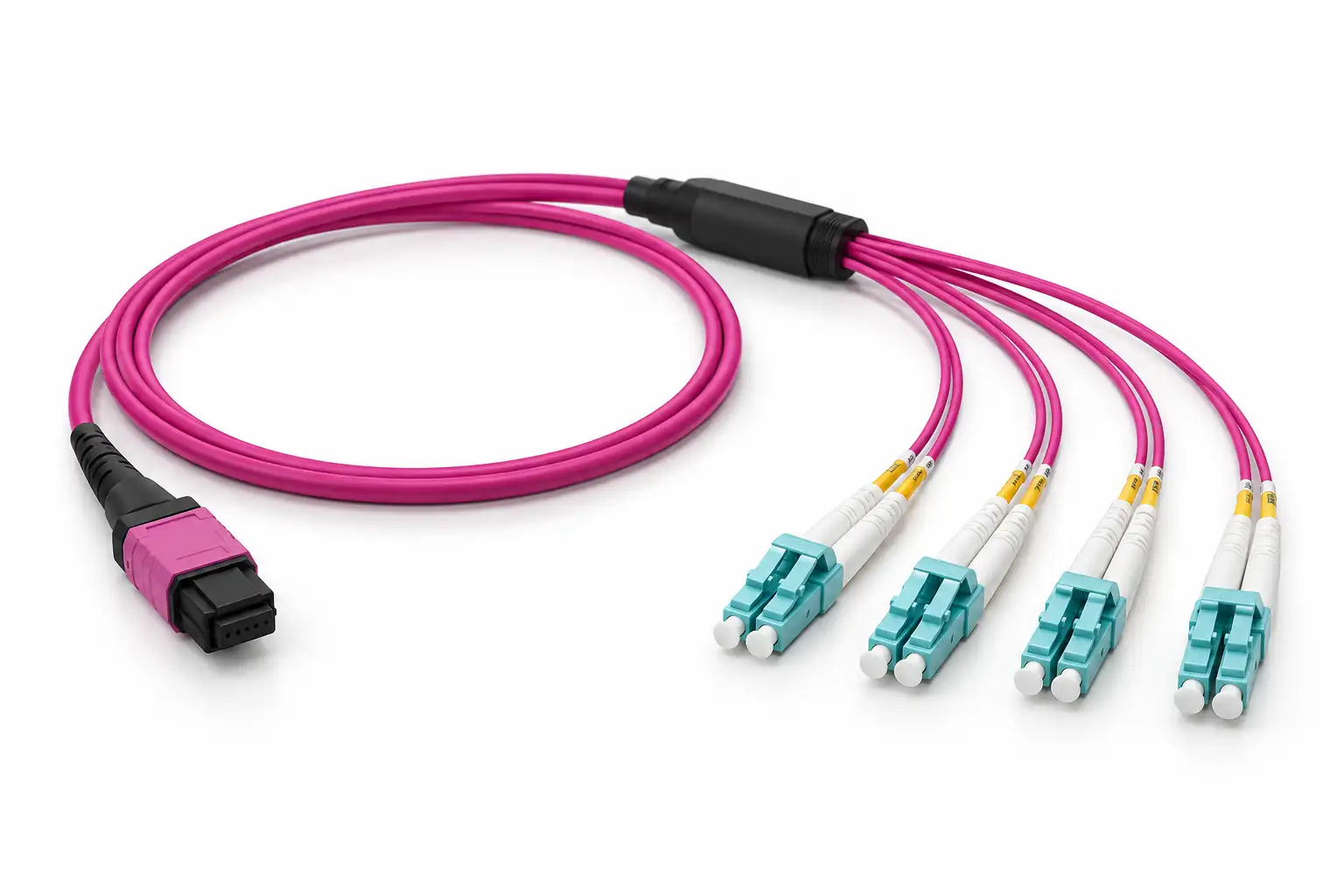
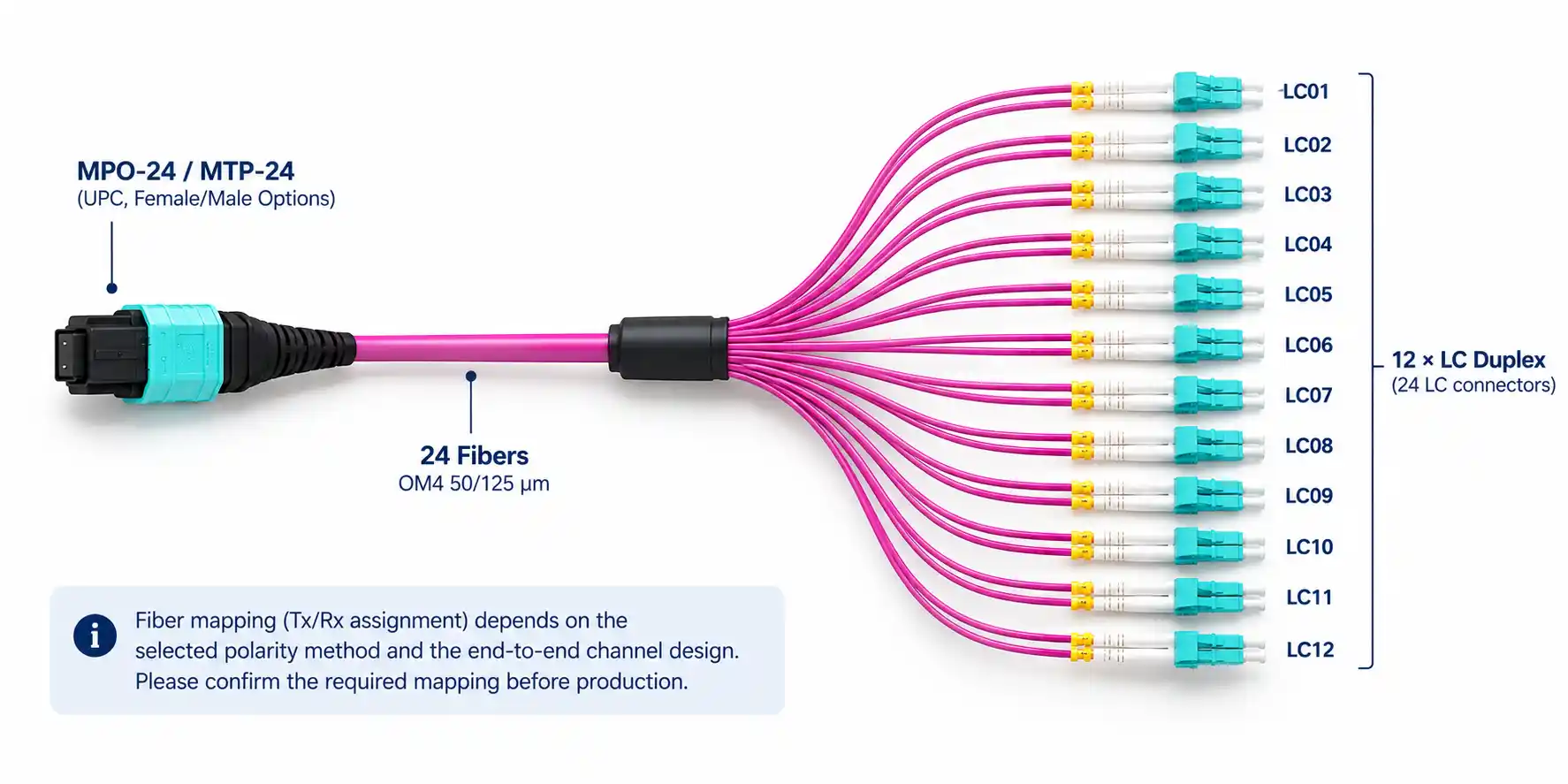
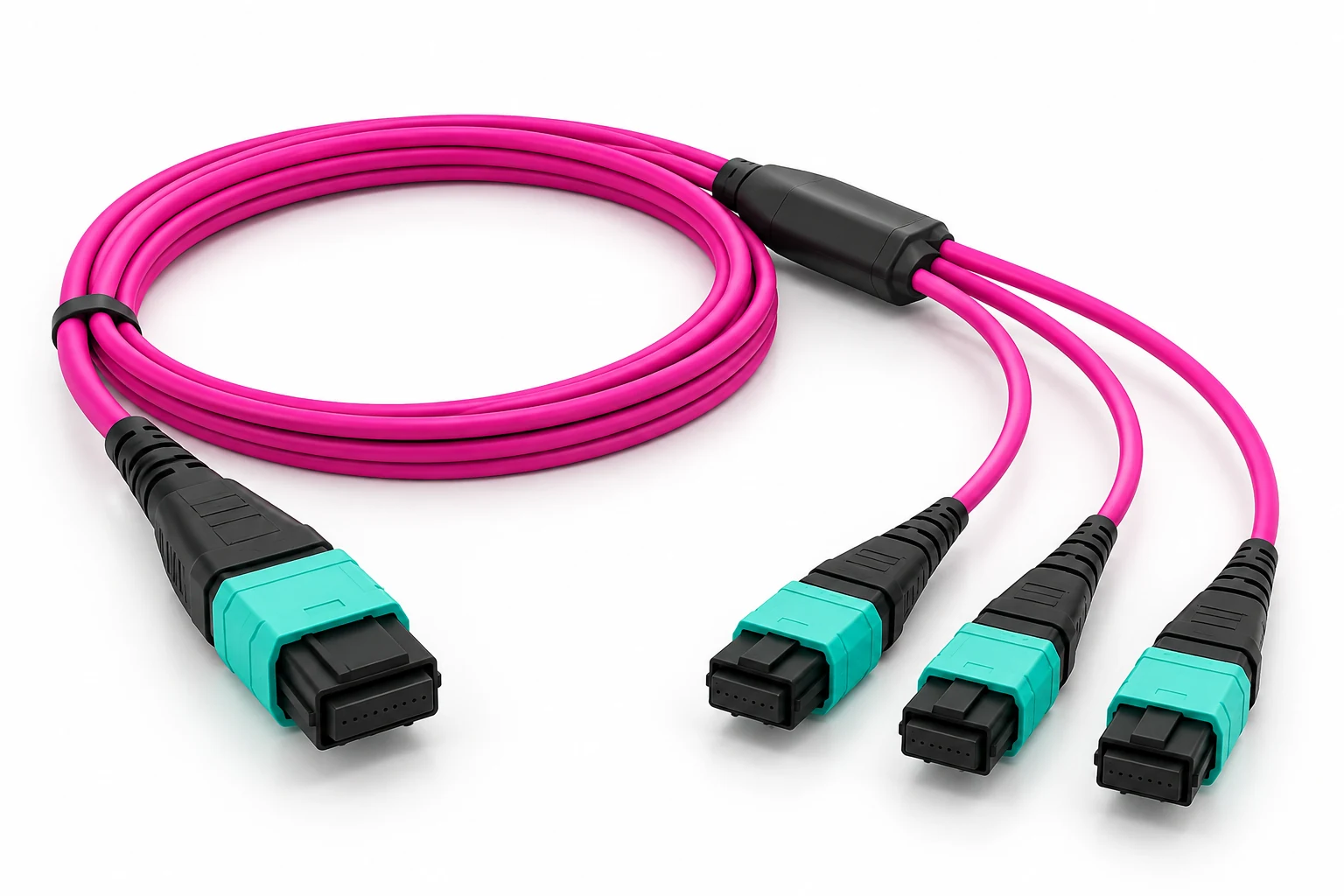
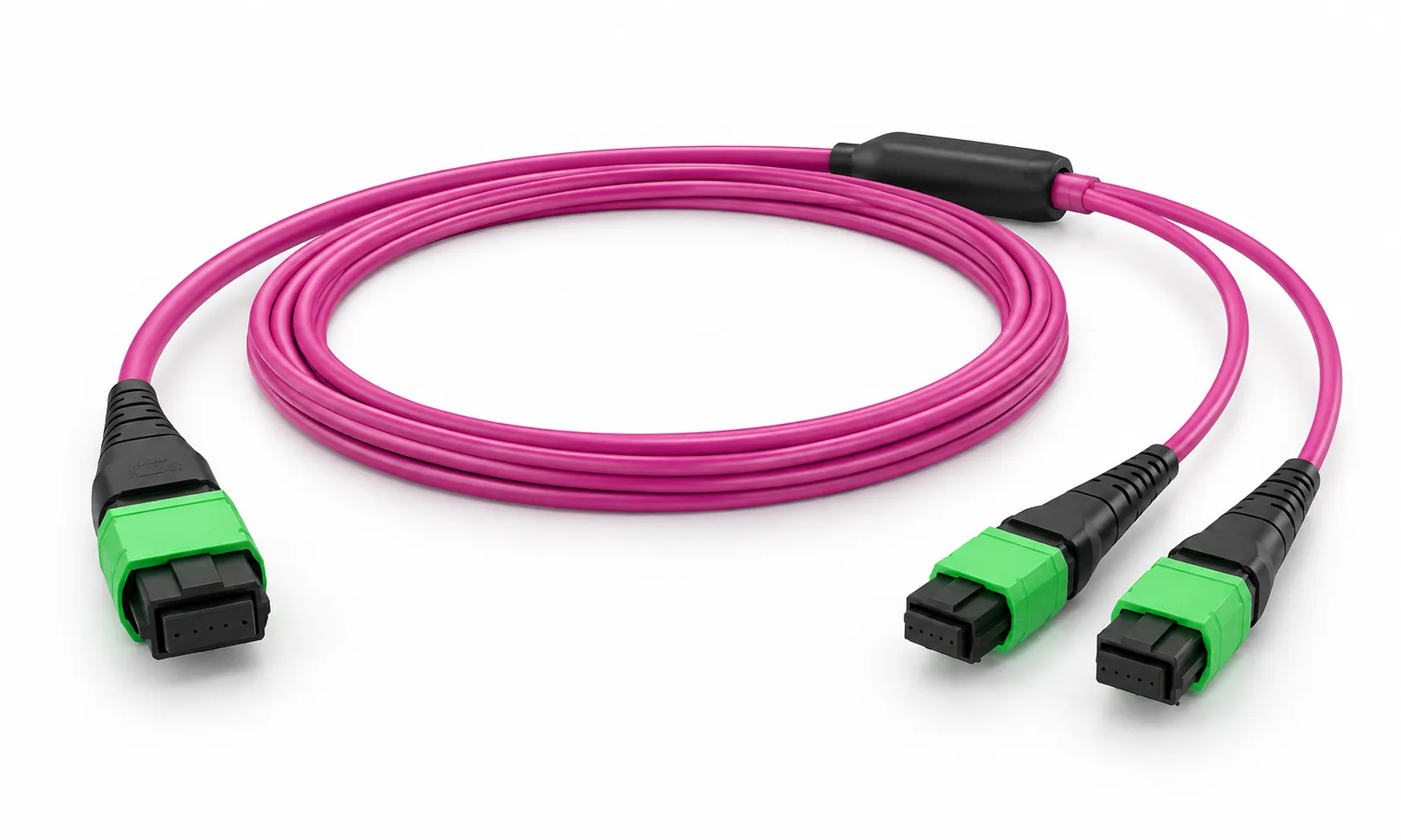
![MPO/MTP 1×4 Fiber Splitter]() MPO/MTP 1×4 Fiber SplitterThe DIMI MPO/MTP 1×4 PLC Fiber Splitter keeps the passive 25/25/25/25 split inside one compact assembly and brings the fibers to a multi-fiber interface. Standard supply is single-mode OS2, 1260–1650
MPO/MTP 1×4 Fiber SplitterThe DIMI MPO/MTP 1×4 PLC Fiber Splitter keeps the passive 25/25/25/25 split inside one compact assembly and brings the fibers to a multi-fiber interface. Standard supply is single-mode OS2, 1260–1650 -
![Cassette PLC Splitter]() Cassette PLC SplitterLGX-compatible DesignEnables quick installation into standardized fiber distribution frames, patch panels, and rack-mount enclosures without custom mounting hardware or field modifications.1×32
Cassette PLC SplitterLGX-compatible DesignEnables quick installation into standardized fiber distribution frames, patch panels, and rack-mount enclosures without custom mounting hardware or field modifications.1×32 -
![LGX Box PLC Splitter]() LGX Box PLC SplitterProduct HighlightsIndustry-Standard LGX FootprintCompact 18×120×80 mm cassette design fits seamlessly into standard 19-inch racks, LGX panels, fiber distribution hubs, and outdoor cabinets, enabling
LGX Box PLC SplitterProduct HighlightsIndustry-Standard LGX FootprintCompact 18×120×80 mm cassette design fits seamlessly into standard 19-inch racks, LGX panels, fiber distribution hubs, and outdoor cabinets, enabling -
![ABS PLC Splitter]() ABS PLC SplitterSymmetrical Optical Power Splitting1×32 optical power splitting across 1260–1650 nm wavelength range, supporting GPON, EPON, XG-PON, and NG-PON2 platforms for scalable FTTx and enterprise fiber
ABS PLC SplitterSymmetrical Optical Power Splitting1×32 optical power splitting across 1260–1650 nm wavelength range, supporting GPON, EPON, XG-PON, and NG-PON2 platforms for scalable FTTx and enterprise fiber -
![Blockless PLC Splitter]() Blockless PLC SplitterThe DIMI 1×2 Blockless PLC Fiber Splitter represents a significant evolution in form factor and deployment flexibility. By eliminating the traditional metal or ABS enclosure box, this mini module
Blockless PLC SplitterThe DIMI 1×2 Blockless PLC Fiber Splitter represents a significant evolution in form factor and deployment flexibility. By eliminating the traditional metal or ABS enclosure box, this mini module -
![Bare Fiber PLC Splitter]() Bare Fiber PLC SplitterPLC (Planar Lightwave Circuit) splitters are passive devices manufactured using semiconductor processes to form optical waveguide arrays on quartz substrates, achieving uniform optical power
Bare Fiber PLC SplitterPLC (Planar Lightwave Circuit) splitters are passive devices manufactured using semiconductor processes to form optical waveguide arrays on quartz substrates, achieving uniform optical power


Understanding Fiber Optic Splitter Technology
A fiber optic splitter, also known as an optical beam splitter or passive optical splitter, represents a fundamental building block in modern fiber-to-the-home (FTTH), fiber-to-the-building (FTTB), and enterprise network deployments. This passive optical component divides or combines optical signals without requiring external power, making it an economical and maintenance-free solution for distributing bandwidth across multiple endpoints.
The fundamental principle behind fiber optic splitter operation involves splitting an input optical signal into multiple output signals with predetermined ratios. Unlike active electronic components that require power and generate heat, passive optical splitters leverage precise waveguide geometry or fused biconical taper technology to achieve signal distribution with exceptional reliability and longevity.

Technical Architecture: FBT vs. PLC Splitter Technologies
The industry primarily utilizes two distinct manufacturing approaches for fiber optic splitter production, each offering specific advantages for different deployment scenarios:

Fused Biconical Taper (FBT) Technology
Employs a thermal fusion process where multiple fiber cores are twisted together and heated until they fuse into a single tapered structure.
- Unequal splitting ratios for customized network designs
- Lower initial cost for simple configurations (1×2, 1×4 splits)
- Wider operating wavelength ranges spanning 1260nm to 1650nm
- Applications where slight wavelength-dependent loss variation is acceptable
Planar Lightwave Circuit (PLC) Technology
Utilizes advanced semiconductor fabrication techniques to create waveguide circuits on a silica substrate, offering superior performance characteristics.
- Exceptional uniformity across all output ports (typical variation ≤0.8dB)
- Compact form factors enabling high-density installations
- Temperature stability across -40°C to +85°C operating ranges
- Wavelength-independent splitting for multi-service delivery
- Scalability to high split ratios (1×64, 1×128) with consistent performance


For telecommunications service providers deploying large-scale FTTH networks, PLC-based fiber optic splitter modules deliver the consistency and reliability essential for maintaining quality of service across thousands of subscribers. Conversely, enterprise customers with specialized splitting requirements may find FBT solutions provide the flexibility needed for custom network architectures.
Addressing Key Pain Points for Telecommunications Service Providers
Service providers face mounting pressure to deliver gigabit-speed connectivity while managing capital expenditure and operational costs. Strategic fiber optic splitter deployment addresses several critical challenges:
High Per-Subscriber Infrastructure Costs
Traditional point-to-point fiber architectures create unsustainable cost structures as subscriber density increases.
Solution Advantages
Reduction in feeder fiber requirements
Up to 98% reduction in dense deployment scenarios
Elimination of active equipment
Reduces maintenance costs in the outside plant
Simplified network topology
Enables faster service activation
Lower total cost of ownership
Across the entire network lifecycle
Limited Scalability in Legacy Networks
As bandwidth demands surge, legacy networks struggle to meet performance requirements.
Future-proof infrastructure
Supports multi-gigabit services without outside plant reconstruction
Flexible architecture
Accommodating incremental subscriber growth
Support for wavelength-division multiplexing
Enabling service overlay without additional fiber deployment
Backward compatibility
With existing GPON, EPON, XGS-PON, and NG-PON2 standards
Network Reliability Concerns
Service providers require components that ensure uptime guarantees and SLA compliance.
Competitive advantage
The company conducted a competitive advantage analysis to identify its strengths and weaknesses compared to its rivals.
Telcordia qualified components
GR-1209 and GR-1221 compliance ensuring carrier-grade reliability
01
Superior insertion loss specifications
Within 0.2dB of theoretical minimums
02
Exceptional return loss
Exceeding 55dB to minimize signal degradation
03
Hermetically sealed modules
Providing IP68 protection against moisture ingress
04
Extended temperature qualification
Operating across -40°C to +85°C for diverse climates
05
Solving Challenges for Data Centers and Enterprises
Enterprise IT managers and data center operators face distinct requirements compared to telecommunications providers, demanding fiber optic splitter solutions optimized for high-density, mission-critical environments.

Space Constraints
Modern data centers operate under severe space limitations, with every rack unit representing valuable real estate.
Solution Advantages:
- Ultra-compact LGX, mini-PLC, and cassette-style modules
- Bend-insensitive fiber compatibility
- Modular designs supporting field reconfiguration
- Integration with high-density fiber management systems

Complex Architectures
Enterprise campuses require sophisticated optical distribution supporting diverse tenant needs and security requirements.
Solution Advantages:
- Customizable split ratios (balanced and asymmetric)
- Dual-window and tri-window splitters for multi-service support
- Color-coded and clearly labeled ports
- Support for centralized vs. distributed splitting strategies

Performance During Expansion
Enterprise networks evolve continuously, with frequent changes that can introduce signal degradation.
Solution Advantages:
- Low insertion loss preserving optical power budget
- Factory-terminated assemblies ensuring consistent performance
- Comprehensive insertion loss documentation
- Compatibility with OTDR testing for verification
System Integrator Considerations
System integrators face the challenge of delivering complete optical network solutions while managing project timelines, budget constraints, and varied technical specifications. Selecting the right fiber optic splitter partner streamlines execution.
| Pain Point | Key Challenges | Solutions |
|---|---|---|
| Procurement Complexity |
|
|
| Installation Quality |
|
|
| Diverse Specifications |
|
|
Streamlining Complex Deployments
Successful large-scale optical network deployments depend on minimizing variables and ensuring consistent quality across all components. By partnering with a fiber optic splitter manufacturer that offers comprehensive solutions, system integrators can reduce project risk and improve margins.
The ideal partner provides not just components, but expertise - assisting with design decisions, offering technical training for installation teams, and providing responsive support throughout the project lifecycle. This collaborative approach transforms component suppliers into strategic allies in delivering successful network deployments.

Technical Specifications That Matter
Selecting appropriate fiber optic splitter technology requires understanding key performance parameters and their impact on network operation:
Insertion Loss and Uniformity

Insertion loss represents the optical power reduction from input to each output port. Theoretical minimum insertion loss for a fiber optic splitter equals 10×log₁₀(N) where N represents the split ratio.
For example, a 1×32 splitter exhibits theoretical loss of 15.05dB, with practical PLC devices adding approximately 0.2-0.3dB excess loss.
Return Loss Performance
Return loss quantifies back-reflected optical power that can interfere with transmitter operation and degrade network performance. High-quality fiber optic splitter modules achieve >55dB return loss through precision connector polishing, index-matching gel, and anti-reflection coatings.

Laser instability and increased bit error rates
Reduced effective transmission distance
Interference in wavelength-division multiplexed systems
Accelerated transmitter degradation over time
Directivity and Isolation
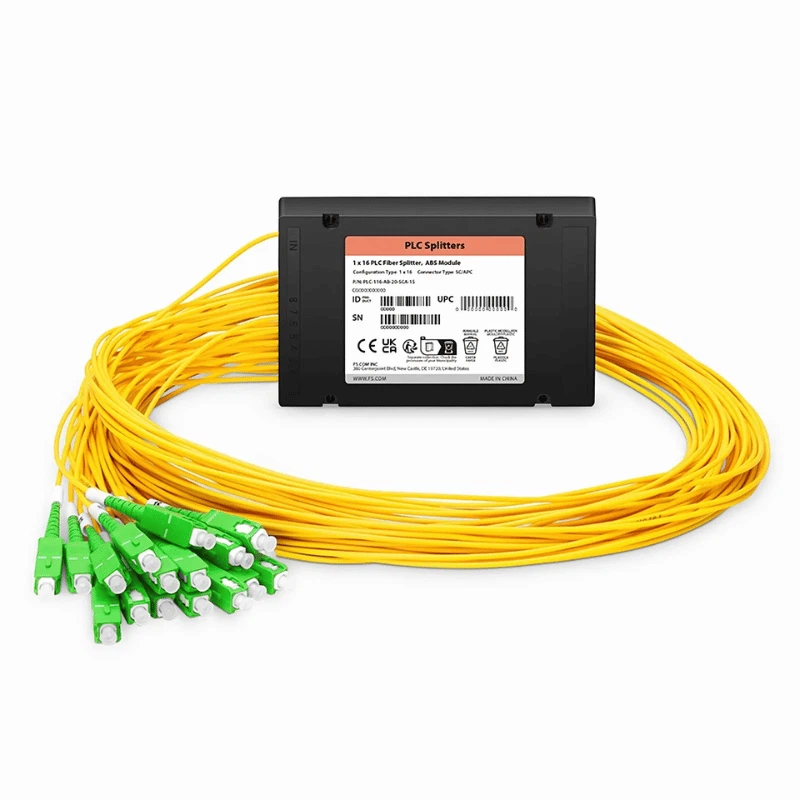
Directivity measures unwanted optical coupling between output ports of a fiber optic splitter. Superior directivity (>55dB) prevents crosstalk in multi-wavelength applications and enhances network security by minimizing signal leakage between subscribers.
Environmental and Mechanical Reliability
Operating environment significantly impacts fiber optic splitter longevity:
Temperature Range
Carrier-grade devices operate across -40°C to +85°C, accommodating outdoor cabinets, unheated buildings, and desert deployments.
Consumer-grade components may fail outside 0°C to +70°C ranges.
Humidity Resistance
Proper hermetic sealing prevents moisture ingress that causes wavelength shift, increased loss, and eventual failure. IP68-rated enclosures enable direct burial and aerial installation.
Mechanical Durability
Vibration, shock, and tensile stress during installation and operation require robust mechanical design. Aramid yarn strain relief and reinforced cable jackets protect delicate optical interfaces.
Application-Specific Deployment Strategies
Different network architectures demand tailored fiber optic splitter implementation approaches:
FTTH Network Architecture
Residential fiber networks typically employ two-stage splitting: a primary 1×4 or 1×8 fiber optic splitter at the central office or fiber distribution hub, followed by secondary 1×8 or 1×16 splitters at neighborhood access terminals.
Strategic Advantages:
- Enables gradual market penetration without overbuilding infrastructure
- Maintains adequate optical power for 20+ kilometer reach
- Facilitates targeted service upgrades (GPON to XGS-PON) by splitter stage
- Optimizes outside plant real estate utilization

Mobile Fronthaul and 5G C-RAN

Cloud Radio Access Network (C-RAN) architectures centralize baseband processing while distributing remote radio heads across cell sites. Fiber optic splitter technology enables efficient distribution of common public radio interface (CPRI) or enhanced CPRI (eCPRI) signals to multiple radio units.
Deployment Benefits
Reduced fiber infrastructure
Between baseband units and multiple cell sites
01
Enhanced spectral efficiency
Through coordinated multipoint transmission
02
Simplified synchronization
Efficient network timing distribution
03
Lower total cost of ownership
Versus dedicated fiber to each radio head
04
Campus and Enterprise Networks
Large campus environments including universities, hospitals, corporate parks, and government facilities leverage fiber optic splitter technology for efficient backbone distribution and simplified network management.
Choose Your ideal product
请替换当前内容 The company has been adhering to the principle of 'people-oriented,guests first,establishing the integrity service as the criterion,and taking careful work as the method
Centralized Distribution
Optical distribution frames reduce equipment room requirements and simplify management
Multi-Service Support
Diverse services over shared infrastructure including data, video, and building automation
Enhanced Monitoring
Centralized test access points for comprehensive network performance monitoring
Quality Assurance and Testing Protocols
Ensuring fiber optic splitter reliability requires comprehensive factory testing and field verification:
Factory Testing Standards
Reputable manufacturers perform 100% testing of every fiber optic splitter unit including:
Insertion loss measurement across full operating wavelength range (1260-1650nm)
Return loss verification at each port
Visual inspection for fiber cleanliness and connector geometry
Mechanical stress testing (pull, vibration, temperature cycling)
Long-term reliability screening through accelerated aging protocols
Field Verification Methods
Installation crews should verify fiber optic splitter performance using:
Optical power meters
Confirming expected insertion loss values
Optical time-domain reflectometry (OTDR)
Identifying installation issues
Visual fault locators
Detecting fiber breaks and poor connections
Documentation
Photographing splitter locations and port assignments
As one of the most professional fiber optic splitter manufacturers and suppliers in China, we're featured by quality products and good service. Please rest assured to wholesale custom made fiber optic splitter from our factory.