DIMI Fiber Fast Connector
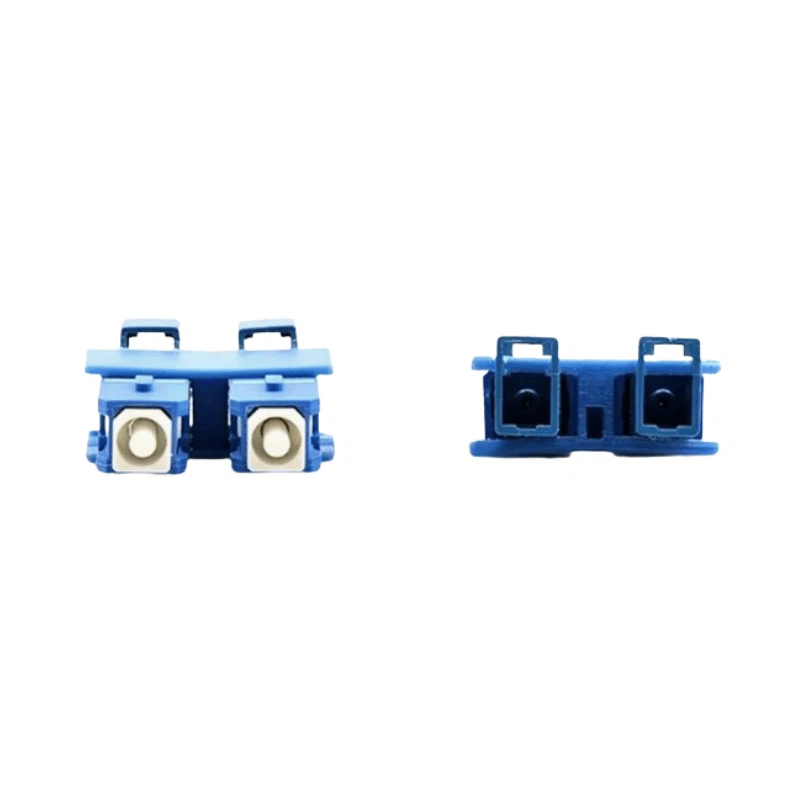
Choosing fiber fast connectors involves insertion loss specs, installation environments, and long-term reliability. Market prices range from $3-$35 per unit, but when you factor in labor costs and rework rates, the actual TCO can differ by over 50%. This guide compares 22 products across 6 connector types (SC, LC, MPO), focusing on insertion/return loss parameters, field termination difficulty, and bulk purchasing costs.
Over the past 8 years, we've tested 40+ fiber fast connector models and served data centers, telecom carriers, and FTTH projects. This content is based on actual installation feedback, fiber testing data, and long-term supplier performance.
SC/LC types support single-mode/multi-mode; MPO mainly for high-density scenarios
Insertion loss test equipment recommended (±0.1dB accuracy)
Bulk orders typically start at 50 units; some suppliers offer sample testing
Standard lead time is 7-15 days (domestic), 3-6 weeks for imports
Technical support available via phone/email during business hours
Fiber Fast Connector Products
Fiber Fast Connector Categories
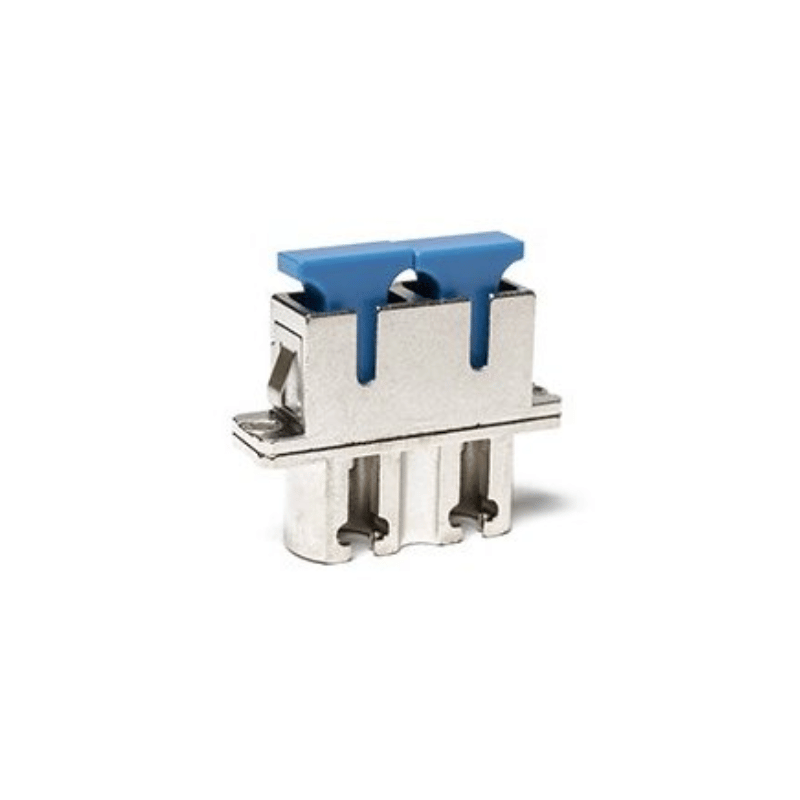
SC Type Fast Connectors
Suitable scenarios: FTTH drop, small server rooms, surveillance system fiber termination
Core features: Simple termination, good compatibility, affordable, but slightly bulky
Price range: $3-$12/unit (single-mode costs 15-25% more than multi-mode)
Typical products: Corning Unicam, 3M Hot Melt, Commscope Uniprise
Watch out: Cheap products (under $4) have unstable insertion loss, many exceed 0.5dB
View detailed SC type parameters
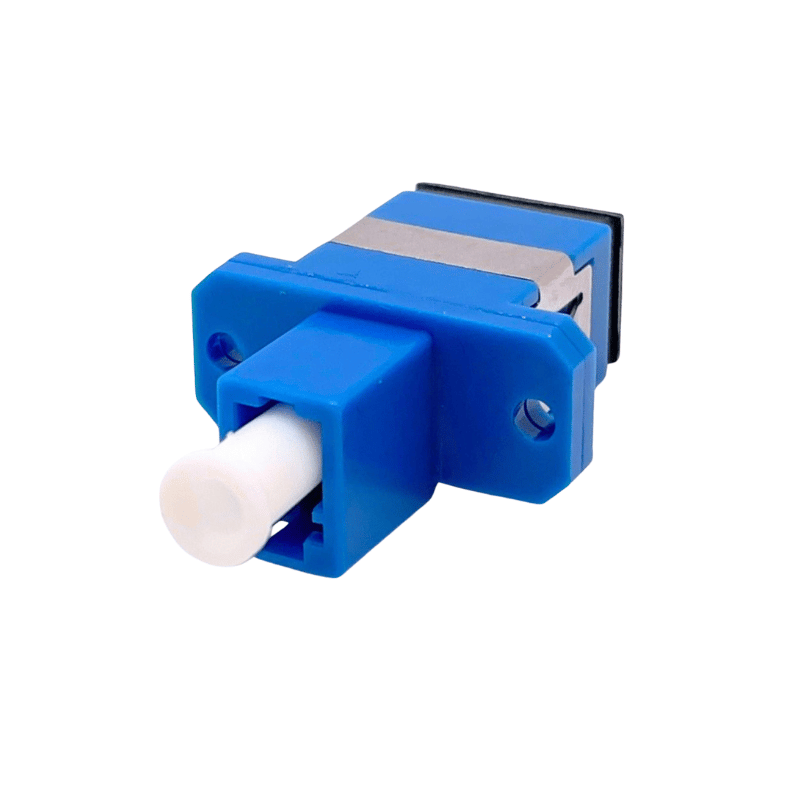
LC Type Fast Connectors
Suitable scenarios: Enterprise networks, small data centers, switch uplinks
Core features: Compact high-density design, insertion loss typically better than SC, but requires higher cleanliness
Price range: $5-$18/unit
Typical products: Corning OptiTip, Senko SHF, Panduit FQNC
Watch out: Duplex versions require polarity confirmation (Type A/B/C), wrong connection means no link
View detailed LC type parameters
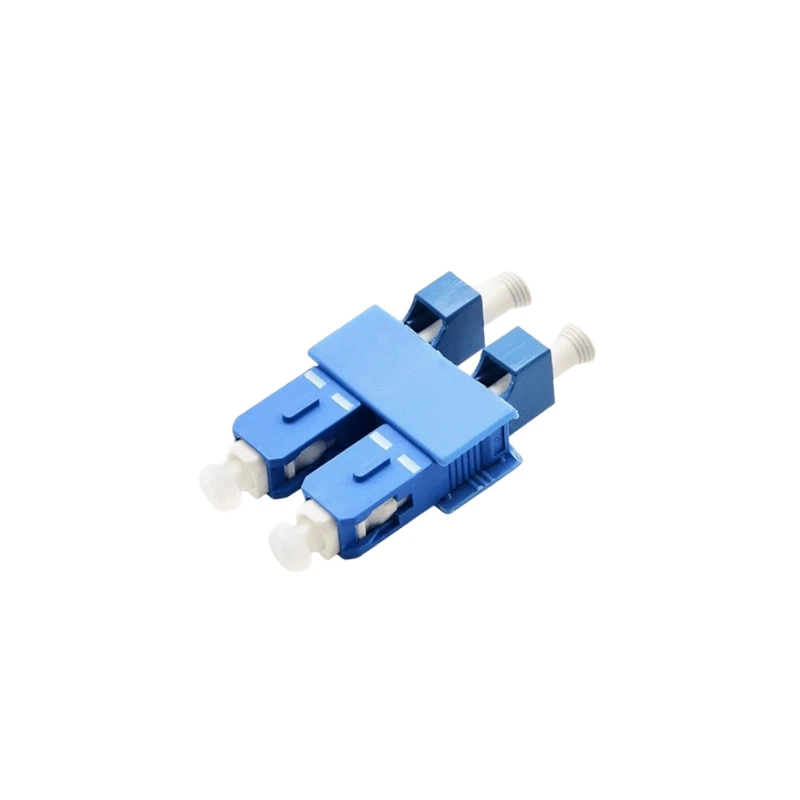
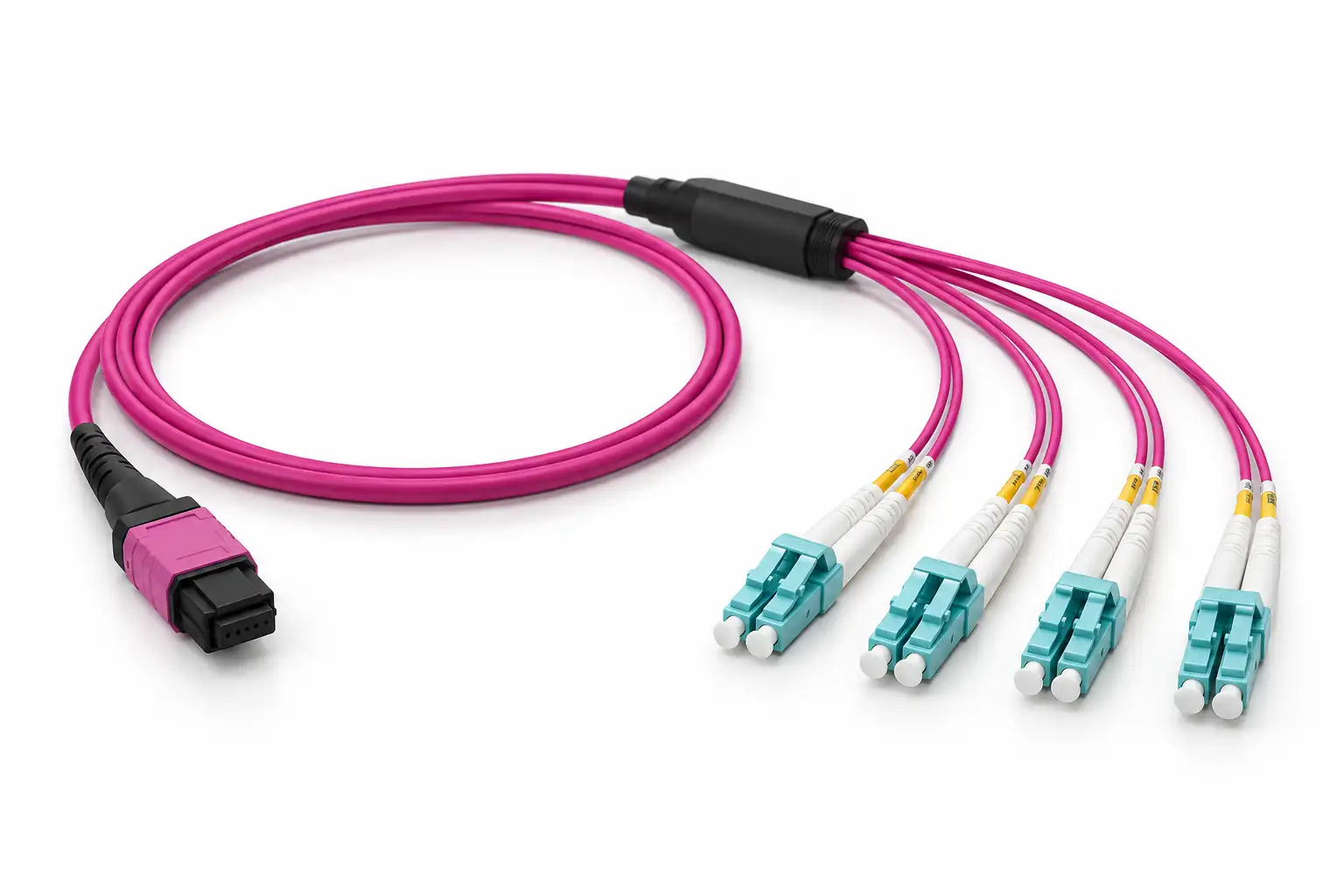
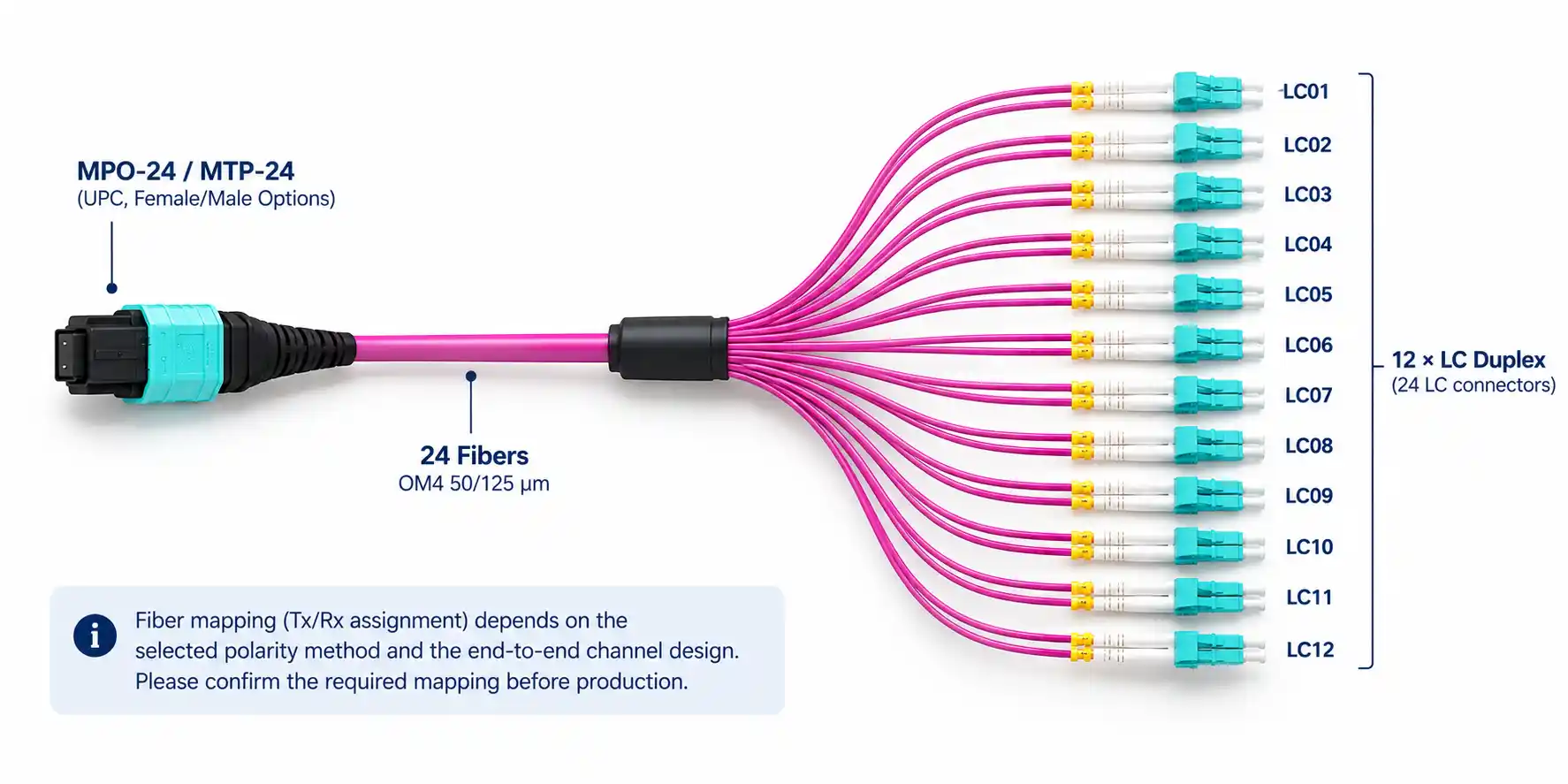
MPO/MTP Fast Connectors
Suitable scenarios: Data center backbone, 40G/100G networks, pre-terminated systems
Price range: $45-$120/unit (12-fiber), actually cost-effective per port
Typical products: US Conec MTP, Senko CS, Corning ClearCurve
Watch out: End-face cleaning requires specialized tools; dust can cause entire channel failure
View detailed MPO type parameters
By Field Termination Technology
industry applications
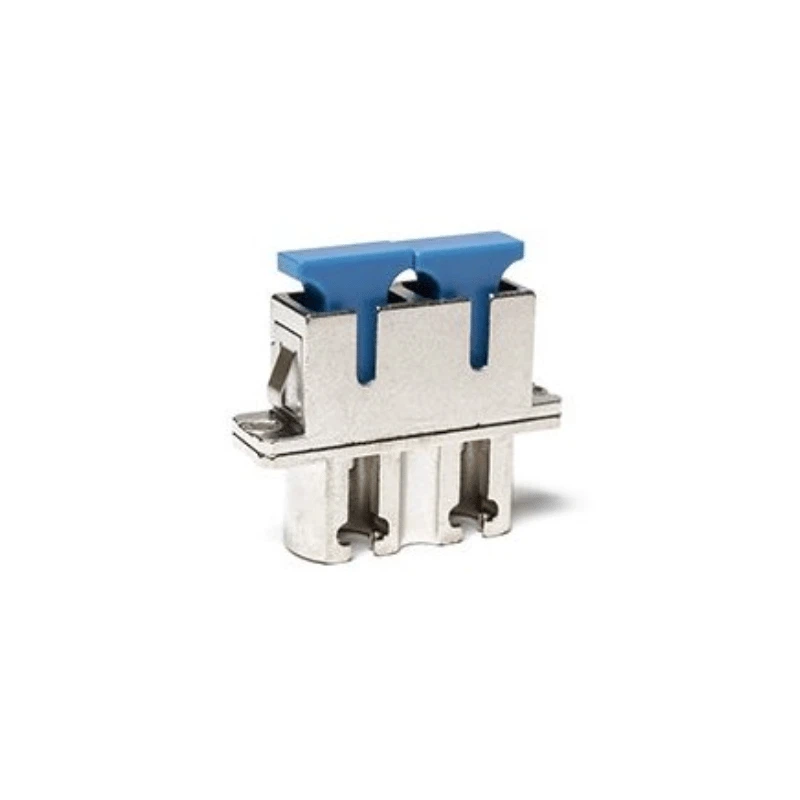
Mechanical Splice
Description: Most traditional, lowest cost
Fiber core directly pressed into V-groove, secured by spring clips.
Advantages
cheap ($3-$8)
Disadvantages
high insertion loss variation (0.3-0.8dB), 10-15% rework rate
Suitable for: budget-tight projects where optical loss isn't critical, like short-distance surveillance

Pre-embedded Assembly
Description: Current mainstream solution
Built-in fiber pigtail, field work only requires fusion or mechanical splicing.
Advantages
Stable insertion loss (0.2-0.4dB)
Disadvantages
30-50% more expensive
Suitable for: Most brand products use this technology, suitable for quality-conscious projects

Hot Melt Type
Description: 3M patented technology
Heating melts adhesive to secure fiber, requires specialized tool.
Advantages
Very low insertion loss (0.15-0.25dB), high first-time success rate
Disadvantages
tool costs start at $800
Suitable for: professional teams with long-term, high-volume installation work

No-Tool Type
Description: Emerging solution
Hand-terminable design, done in 2-3 minutes.
Advantages
Saves equipment investment and training costs
Disadvantages
Not cheap ($12-$25)
Suitable for: IT teams with occasional installations or emergency repair scenarios
Quick Comparison Table
| Connector Type | Typical IL | Termination Time | Price Range | Installation Difficulty | Common Issues |
|---|---|---|---|---|---|
| SC Mechanical | 0.4-0.7dB | 2-3 min | $3-$8 | ★★☆☆☆ | Fiber cleave quality matters |
| SC Pre-embedded | 0.2-0.4dB | 3-5 min | $8-$15 | ★★★☆☆ | Splice quality affects stability |
| LC Pre-embedded | 0.15-0.35dB | 4-6 min | $10-$18 | ★★★★☆ | High end-face cleanliness required |
| MPO/12-fiber | 0.25-0.5dB/fiber | 8-12 min | $50-$120 | ★★★★★ | Professional test equipment needed |
| No-Tool Type | 0.3-0.5dB | 1-2 min | $12-$25 | ★☆☆☆☆ | Narrow temperature range |

How to Choose the Right Fiber Fast Connector: 6 Key Factors
Insertion Loss and Return Loss Requirements

Insertion Loss and Return Loss Requirements
Why it matters: Every 0.1dB increase in insertion loss reduces link budget by 2-3 meters (single-mode), with greater impact on multi-mode. Data centers and long-distance transmission are very sensitive to this metric.
How to judge:
- If total link length <500m with budget headroom → Under 0.5dB acceptable
- If 10+ km long distance or 40G/100G network → Must be ≤0.3dB
- If budget-tight and distance <100m → 0.8dB barely workable
Common mistake:
Only checking manufacturer specs without testing. Honestly, products claiming 0.2dB often measure 0.4-0.5dB in reality, especially cheap ones.
Installation Team Skill Level
Why it matters: The more complex the technology, the higher the chance of newbies messing up. Rework costs sometimes exceed the connector price itself.
How to judge:
If you have experienced fiber installation crews → Pre-embedded or hot melt type, most stable quality
If IT staff doing occasional work → No-tool type or simple mechanical splice
If team experience varies → Choose high fault-tolerance products (like 3M Hot Melt)
Common mistake:
Overestimating your team's capabilities. We've seen too many cases where "the master said he could do it" resulted in 50% rework.

Project Scale and Timeline
Why it matters: 2 minutes difference per termination means 3 hours for 100 points; labor costs may offset savings from cheaper connectors.
How to judge:
If <50 points small project → Prioritize no-tool type, saves hassle
If 100-500 points → Pre-embedded offers best value
If >1000 points or long-term installation → Invest in hot melt tools, cheaper long-term
Common mistake:
Only calculating material costs, not labor. Actually, a product that's 5 minutes faster but $3 more expensive means $1,500 extra for 500 points, but saves thousands in labor.
Operating Environment
Why it matters: Temperature, humidity, vibration affect long-term connector stability, especially in outdoor and industrial environments.
How to judge:
If climate-controlled server room → Most products work fine
If outdoor distribution box or wall mount → Choose IP67 protection rating
If vibration present (equipment rooms, workshops) → Avoid pure mechanical clips, prefer products with securing components

Future Expansion Plans
Why it matters: If you'll upgrade bandwidth or add ports within 3 years, current choices affect future compatibility.
How to judge:
If upgrading from 1G to 10G in future → Single-mode connectors, leave enough margin
If density might double → LC more flexible than SC, MPO saves more space
If won't change for 5 years → Go with whatever's cheapest
Budget and Procurement Channels
Why it matters: Same product through direct sales, distributors, or e-commerce can differ 30-50% in price; bulk discounts are even more significant.
How to judge:
Sufficient budget (<30% of project cost) → Choose brand products, peace of mind
Tight budget but need quality → Domestic tier-1 brands, 20-30% cheaper
Extreme budget constraints → Mechanical splice will do, but stock 10-15% extra
Common mistake:
Choosing the absolute cheapest to save a few hundred bucks, then spending thousands on rework. We've really seen this too many times.

Fiber Fast Connector Technology Deep Dive
Termination Technology Comparison

Mechanical Crimp Type
Technical explanation: Fiber cleaved and directly pressed into V-groove, secured by spring clips or screws
Actual value: Low cost, no fusion splicer needed, suitable for emergency or temporary links
Is it necessary: Depends - okay for budget-limited surveillance projects; don't use for telecom backbone
Cost impact: 40-60% cheaper than pre-embedded, but material savings may be spent on rework

Pre-embedded Fusion Splice
Technical explanation: Built-in 125μm pigtail, field fusion spliced to incoming cable
Actual value: Stable insertion loss, currently mainstream solution for FTTH and enterprise networks
Is it necessary: Necessary - if quality matters to you
Cost impact: Increases overall cost 25-35%, but reduces rework rate from 15% to 2-3%

Cold Splice Technology
Technical explanation: Uses index-matching gel or mechanical alignment instead of fusion
Actual value: No fusion splicer needed ($3,000-$8,000 equipment investment), done in 1-2 minutes
Is it necessary: Nice to have - very practical for IT departments with occasional installations or repair scenarios
Cost impact: Connector unit price 50-80% higher, but saves equipment and training costs
Insertion Loss Impact Factors
Field tests show the same product model can vary 0.2-0.3dB in insertion loss. Main factors:
| Factor | Impact Level | How to Control |
|---|---|---|
| Fiber cleave quality | ±0.15dB | Use quality cleaver ($150+), 15° angle <0.5° |
| End-face cleanliness | ±0.1dB | Isopropyl alcohol + lint-free wipes, don't blow with mouth |
| Alignment precision | ±0.05dB | Pre-embedded more stable than mechanical |
| Ambient temperature | ±0.08dB | Avoid direct sunlight, protect if temp swing >30°C |
| Connector itself | ±0.1dB | This is the product selection difference |
Reliability Considerations
Fiber fast connectors aren't install-and-forget. Issues that may appear after 3-5 years:
Insertion loss drift
Mechanical type products average 0.15-0.25dB increase after 3 years; pre-embedded typically <0.1dB. This phenomenon is more pronounced in environments with large temperature variations.
End-face contamination
LC type most prone to dust accumulation; recommend dust caps (many cheap products don't include them). MPO requires regular cleaning; neglect for 6 months can cause entire array failure.
Mechanical wear
After 200+ insertions, ceramic ferrule and adapter show wear. Recommend flange protection for frequently accessed test points.
Warranty and After-Sales
Warranty Standards
- Warranty period: 1-3 years (Corning 3 years, most domestic 1-2 years)
- Coverage: Product defects only, excludes improper installation
- Not covered: End-face scratches, mechanical damage, over-temperature use, wear from >500 insertions
- Replacement process: Photos + insertion loss test report, 1-2 weeks for replacement (imports may take 1 month)
Technical Support
- Pre-sales: Phone/email, business day response, complex issues within 24 hours
- Post-sales: Email + phone, insertion loss issues remote diagnosis within 48 hours
- Emergency support: Large projects can request on-site (additional cost, $500-$800/day)
- Training materials: Most brands have video tutorials, DIMI offer certification training (paid)
Delivery and Spares
- Standard lead time 7-15 days (domestic), imports 3-6 weeks
- Shipping: Orders >500 units typically free shipping, small orders $15-$30
- Recommended spare rate: 5-8% (considering installation errors and sampling loss)
- Special tools: (hot melt, cleaver) quoted separately, usually available for rent
FAQ
Q: How to choose between SC and LC types? Can they be mixed?
A: Look at port type and density requirements. Use LC if switches have LC ports; OLT equipment mostly use SC ports. Can't directly mix; need conversion patch cords ($8-$15/cord). For new projects, LC is more mainstream with better equipment compatibility.
Q: Does the difference between 0.3dB and 0.5dB insertion loss matter in actual use?
A: Depends on total link length and equipment sensitivity. For distances under 1km, 0.2dB difference is barely noticeable. But for 10+ km or multiple connection points in series, each point's extra 0.2dB accumulates and may push signal near threshold. 40G/100G networks are very sensitive to insertion loss; 0.3dB is the basic requirement.
Q: Can cheap $3-$5 products be used?
A: Usable, but high rework rate. We tested several batches of cheap products; 20-30% had insertion loss >0.6dB, some even >1dB and completely wasted. If project budget is really tight, buy 10-15% extra spares and prepare for rework. Surveillance systems less sensitive to optical loss might be okay; don't risk it for gigabit networks.
Q: How much price difference between multi-mode and single-mode connectors?
A: Same brand single-mode typically 15-25% more expensive. Technically not much different, mainly ceramic ferrule precision requirements are higher (single-mode 9μm, multi-mode 50/62.5μm). Don't try using multi-mode connectors on single-mode fiber; insertion loss will be ridiculous.
Q: Why are MPO connectors so expensive?
A: 12-fiber at $60-$120 looks expensive, but per port it's only $5-$10, actually cheaper than 12 pairs of LC. Plus saves space and reduces patching time. Expensive mainly because end-face machining precision is high (12 fibers must align simultaneously), low yield rate. If not 40G/100G or high-density scenario, MPO isn't necessary.
Q: Do no-tool types really need no tools at all?
A: Still need strippers and cleavers; just don't need fusion splicer or specialized termination tools. "No-tool" refers to the termination process itself, not the entire installation workflow. Also, cheap cleavers (<$100) produce poor end-face quality, still affecting insertion loss.
Q: How long do fast connectors last? Won't they fail after a few years?
A: Normal use 6-8 years no problem; brand products possibly 10+ years. Mainly depends on environment and insertion frequency. Outdoor distribution boxes with UV exposure and large temperature swings accelerate aging; noticeable performance decline in 3-5 years. If in server room installed and left alone, basically same lifespan as fiber patch cords.
Q: Worried about domestic products being unreliable, can I return/exchange?
A: Brand distributors typically support 7-15 day return/exchange for quality issues, but require insertion loss test reports. E-commerce platforms depend on store policy; even those advertising "7-day no-questions-asked" check exclusion clauses. Recommend buying 20-50 sample units first for testing; confirm quality before bulk ordering.
As one of the most professional fiber fast connector manufacturers and suppliers in China, we're featured by quality products and good service. Please rest assured to wholesale custom made fiber fast connector from our factory.