48 Fiber Dome Splice Closure
A Compact Mechanical Closure for 48 Fiber Splices
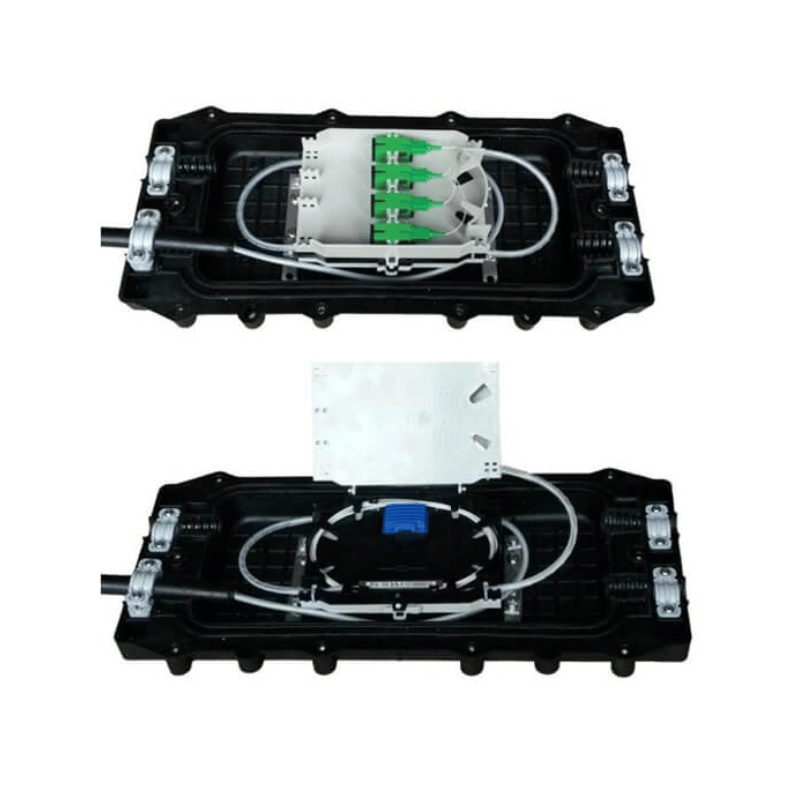
DIMI's 48-fiber dome splice closure protects outdoor fiber joints inside a compact Ø120 × 300 mm housing. Four 12-fiber trays provide up to 48 splice positions, and rotary compression seals close the selected cable entries without a heat-shrink cable-entry seal.
The vertical tray stack organizes splice groups for FTTH access, metro distribution and campus networks. Specify the cable-entry layout and mounting kit when ordering a closure for a pole, wall, aerial strand or underground access point.
48-Fiber Dome Closure Specifications
| Parameter | 48-Fiber Dome Configuration |
| Housing | Mini vertical dome. Glass fiber reinforced polypropylene (PP+GF). |
| Maximum splice capacity | 48 fibers with four 12-fiber splice trays. Tray quantity supplied is set by the order. |
| Splice tray | 12 fibers per tray. Approx. 140 × 110 mm for the 12-fiber tray. |
| Nominal housing size (diameter × height) | Ø120 × 300 mm |
| Approximate weight | 1.5–1.8 kg with trays and accessories, depending on configuration |
| Cable entry sealing | Rotary compression with replaceable cable grommets matched to the ordered entry. |
| Cable entry options | Round entries for Ø8–18 mm cables. Optional oval configuration for Ø10–20 mm cables, subject to the seal arrangement. The ordered base determines port count and layout. |
| Operating temperature | −40°C to +65°C |
| Storage temperature | −40°C to +60°C |
| Environmental conditions | Relative humidity ≤95% at +30°C. Atmospheric pressure 70–106 kPa. |
| Deployment options | Aerial strand, pole, wall, duct and handhole with the appropriate hardware. Direct burial requires a suitable protective installation. |
Three Features That Help During Installation and Re-entry
Match the Cable Entry to the Route
| Cable Route | Entry and Seal Configuration |
| Terminated feeder or branch cable | Round entries take Ø8–18 mm cables with the matching grommet. A cable's outside diameter and jacket shape determine the seal selection. Loose-tube and central-tube applications use the corresponding entry and tray arrangement. |
| Mid-span feeder loop | An optional oval base configuration may be selected for a loop-through route. Share the feeder diameter and loop drawing so DIMI can review the seal kit, cable arrangement and space for the loop. |
| Ribbon, microcable or armored cable | Match the fiber format to the splice holder and tray. DIMI can review custom grommets for nonstandard jackets or diameters and specify any grounding hardware in the order. |
For IP68 project requirements, include the required immersion conditions and cable layout in the inquiry. Confirm that the test documentation covers the ordered base, seals and installed cable configuration. Aerial, duct and burial installations may require different mounting or protection hardware.
Mounting Options for Outdoor Distribution Points
OEM and ODM Options for Project Orders
| Option | What DIMI Can Configure |
| Splice and splitter trays | Custom dome builds from 12F to 96F using 12-fiber, 24-fiber or mixed tray layouts. PLC splitter trays can be reviewed for FTTH distribution. The available splice capacity follows the selected tray arrangement. |
| Base and sealing | Project layouts include 2-in/2-out, 1-in/3-out or 2-in/4-out options. Select mechanical, heat-shrink or hybrid sealing for a custom build. |
| Housing and identification | PP, PP+GF or PC options. Custom colors such as black, gray or green. Logo, part number, QR code, installation labels, instructions and branded packaging are available for OEM orders. |
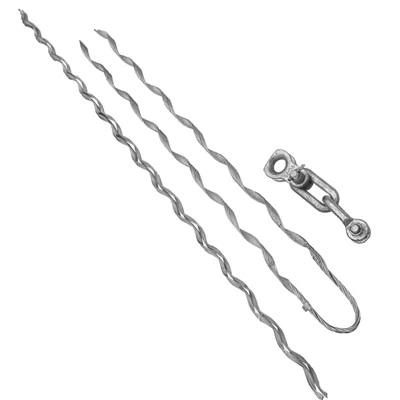
| Mounting and accessory kits | Aerial hangers, pole bands and brackets, wall plates, handhole frames and burial protection can be quoted for the selected installation. Specify splice sleeves, plugs, cable ties or grounding parts in the kit list. |
Questions About Capacity, Sealing and Ordering
How many trays are needed for 48 fiber splices?
The 48-fiber layout uses four 12-fiber trays. A lower initial splice count can use a smaller tray set. Confirm the installed tray quantity, splice holders and any future tray needs in the order.
What should technicians check when reopening the closure?
Use the instructions for the selected seal kit. Inspect the mating surfaces, gaskets, cable seals and unused-entry plugs before closing the dome. Replace damaged seals and follow the project's re-entry acceptance checks.
Do an oval port and a splitter tray come with every order?
The base, oval-entry kit and splitter tray are configuration options. DIMI can quote each item with the needed cable arrangement and tray count so the supplied parts match the installation plan.
How long does a custom order take?
Typical sample delivery for standard changes is 3–4 weeks after design approval. New tooling and prototype validation may take 8–12 weeks. Volume production typically takes 4–6 weeks, depending on the approved design and order quantity.
Order the Closure with the Right Trays and Fittings
Send DIMI the required splice count, cable types and outside diameters, entry layout, mounting position and quantity. DIMI can review the closure build with you and quote the selected trays, seals, mounting kit and OEM markings together.
For a different capacity or installation layout, see the 144-fiber dome splice closure or the 96-fiber inline splice closure.
Hot Tags: 48 fibre optic splice closure, 48 fibre optic splice closure manufacturer, 48 fibre optic splice closure supplier, 48 fibre optic splice closure factory, 48 fibre optic splice closure wholesale, fiber