Decision in one sentence: Match pigtail fiber to the installed link and cabinet geometry; name the exact G.652.D or G.657.A designation and supporting evidence.
G652d g657a fiber optic pigtail is often quoted as a simple line item, but the installed outcome depends on the surrounding network and the evidence behind the part number. For FTTH engineers, contractors, distributors, and pigtail buyers, the useful question is whether construction, interfaces, routing, installation, maintenance, and documentation all fit the project.
This guide converts that question into a practical workflow. Its specific angle is selection by cabinet routing, installed cable, restoration practice, and evidence rather than claiming one fiber is universally better. It connects the decision to DIMI's fiber optic pigtails and the broader single-mode pigtails without making unsupported claims about a particular model.
Executive Selection Summary
Match pigtail fiber to the installed link and cabinet geometry; name the exact G.652.D or G.657.A designation and supporting evidence. Use the following screening table to narrow the direction, then confirm the exact product drawing, project requirement, and production-intent sample.
| Project situation | Preferred direction | Reason to consider it | Approval check |
|---|---|---|---|
| Spacious ODF with established G.652.D plant | Match the installed design | Aligns the component with the actual application rather than a generic catalog label. | Confirm G.652.D, G.657.A1, G.657.A2, or the project-approved equivalent. |
| Compact FTTH cabinet | Evaluate an approved G.657.A option | Aligns the component with the actual application rather than a generic catalog label. | Confirm field cable fiber, approved splice program, and mixed-fiber restrictions. |
| Mixed restoration inventory | Use visible fiber-designation labels | Aligns the component with the actual application rather than a generic catalog label. | Confirm routing channels, loop diameters, hinge zones, and cover movement. |
| Unknown legacy cable | Identify and test before ordering | Aligns the component with the actual application rather than a generic catalog label. | Confirm connector family, UPC/APC polish, adapter color, and port assignment. |
Review the DIMI fiber optic product portfolio and fiber optic solutions before issuing the RFQ. This prevents one component from being specified independently of the cable, enclosure, panel, hardware, or optical path around it.

Where G652D G657A Fiber Optic Pigtail Fits in the System
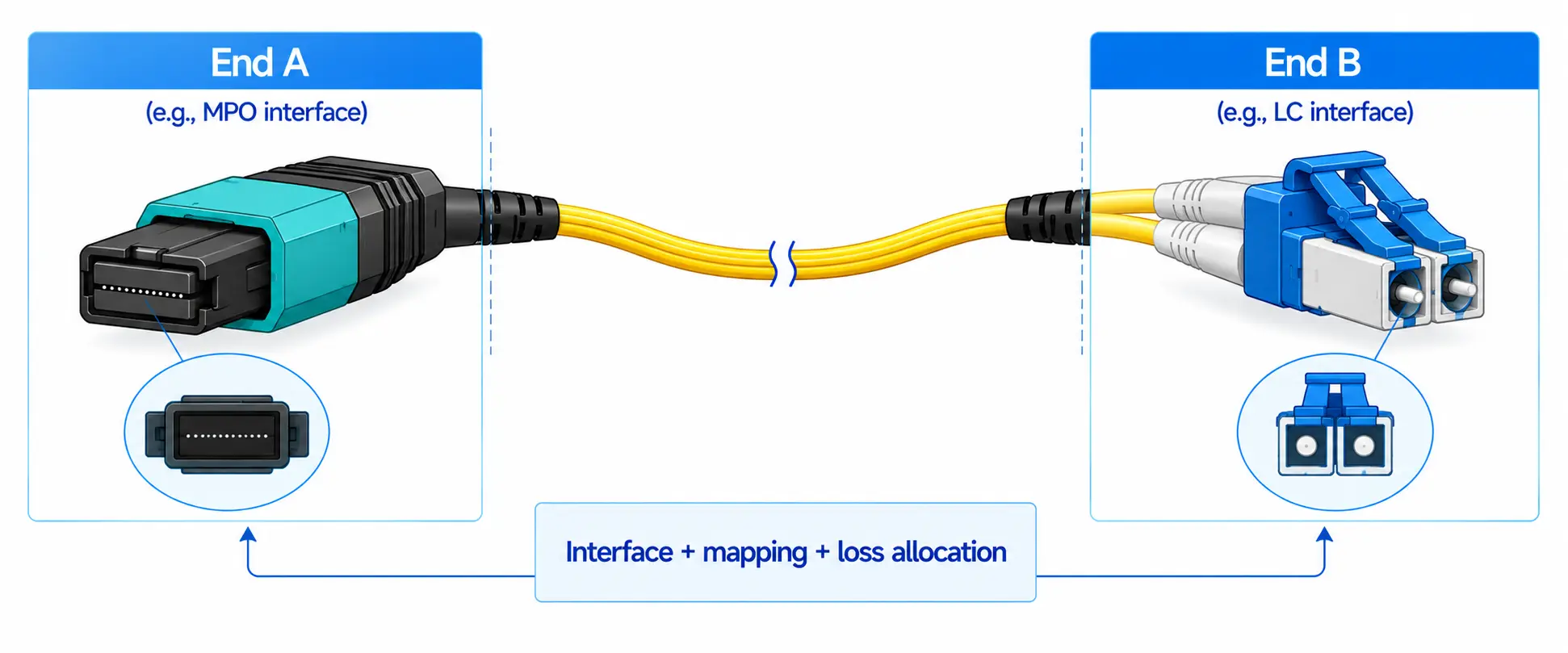
A pigtail converts a spliced field fiber into a factory-terminated interface inside an ODF, panel, closure, or distribution box. Fiber designation, connector polish, buffer or ribbon construction, jacket, length, color sequence, tray design, and labeling all affect the result.
The article deliberately answers a narrower search intent than a general product overview. The buyer should be able to move from the network drawing to a controlled BOM field, supplier question, sample check, and acceptance record. That chain also gives maintenance teams a reliable reference when the installation is reopened.
Draw the complete path on one page. Mark cable, connectors, splices, adapters, enclosures, supports, service loops, test boundaries, and responsibility for each interface. Use the fiber loss and power-budget guide when optical budget matters and the fiber polarity guide when transmit/receive or multi-fiber orientation matters.
Specifications That Change the Outcome
Resolve these fields together. Leaving one open frequently transfers cost and risk from engineering to purchasing, the factory, or the installation crew.
1. Exact fiber designation
Exact fiber designation should appear in the controlled part description because it changes compatibility, installation, or acceptance. Verify G.652.D, G.657.A1, G.657.A2, or the project-approved equivalent. The quoted item, approved drawing, sample label, and incoming record should use the same wording.
Do not accept a broad category name as a substitute for this field. Ask the supplier which drawing, material statement, test method, or sample feature proves compliance. If it is ignored, the likely result is a vague bend-insensitive label that cannot be audited. A proprietary option can be acceptable, but its equivalence must be explained rather than assumed.
2. Installed cable pairing
Installed cable pairing should appear in the controlled part description because it changes compatibility, installation, or acceptance. Verify field cable fiber, approved splice program, and mixed-fiber restrictions. The quoted item, approved drawing, sample label, and incoming record should use the same wording.
Do not accept a broad category name as a substitute for this field. Ask the supplier which drawing, material statement, test method, or sample feature proves compliance. If it is ignored, the likely result is ambiguous loss interpretation and restoration substitutions. A proprietary option can be acceptable, but its equivalence must be explained rather than assumed.
3. Cabinet geometry
Cabinet geometry should appear in the controlled part description because it changes compatibility, installation, or acceptance. Verify routing channels, loop diameters, hinge zones, and cover movement. The quoted item, approved drawing, sample label, and incoming record should use the same wording.
Do not accept a broad category name as a substitute for this field. Ask the supplier which drawing, material statement, test method, or sample feature proves compliance. If it is ignored, the likely result is loss that appears only when the door closes. A proprietary option can be acceptable, but its equivalence must be explained rather than assumed.

4. Connector interface
Connector interface should appear in the controlled part description because it changes compatibility, installation, or acceptance. Verify connector family, UPC/APC polish, adapter color, and port assignment. The quoted item, approved drawing, sample label, and incoming record should use the same wording.
Do not accept a broad category name as a substitute for this field. Ask the supplier which drawing, material statement, test method, or sample feature proves compliance. If it is ignored, the likely result is polish mismatch or unusable mating. A proprietary option can be acceptable, but its equivalence must be explained rather than assumed.
5. Traceability
Traceability should appear in the controlled part description because it changes compatibility, installation, or acceptance. Verify fiber documentation, assembly test records, lot ID, and sample approval. The quoted item, approved drawing, sample label, and incoming record should use the same wording.
Do not accept a broad category name as a substitute for this field. Ask the supplier which drawing, material statement, test method, or sample feature proves compliance. If it is ignored, the likely result is untraceable assemblies during failure analysis. A proprietary option can be acceptable, but its equivalence must be explained rather than assumed.
When a field depends on a standard, code, environmental rating, material grade, or test limit, request evidence for the exact construction and part number. Submit those requirements together through the project inquiry form.
A Six-Step Selection and Approval Workflow
A repeatable workflow reduces quotation revisions and prevents a low-detail offer from appearing equivalent to a fully defined offer.
- Map the application and interfaces. Focus on exact fiber designation. Produce a visible deliverable such as a marked drawing, RFQ line, sample criterion, photograph, test result, or work instruction. Record assumptions and the person or document responsible for approval.
- Translate requirements into BOM fields. Focus on installed cable pairing. Produce a visible deliverable such as a marked drawing, RFQ line, sample criterion, photograph, test result, or work instruction. Record assumptions and the person or document responsible for approval.
- Compare construction and evidence. Focus on cabinet geometry. Produce a visible deliverable such as a marked drawing, RFQ line, sample criterion, photograph, test result, or work instruction. Record assumptions and the person or document responsible for approval.
- Approve a production-intent sample. Focus on connector interface. Produce a visible deliverable such as a marked drawing, RFQ line, sample criterion, photograph, test result, or work instruction. Record assumptions and the person or document responsible for approval.
- Validate installation and service access. Focus on traceability. Produce a visible deliverable such as a marked drawing, RFQ line, sample criterion, photograph, test result, or work instruction. Record assumptions and the person or document responsible for approval.
- Lock records and change control. Focus on exact fiber designation. Produce a visible deliverable such as a marked drawing, RFQ line, sample criterion, photograph, test result, or work instruction. Record assumptions and the person or document responsible for approval.
A sample review should use the intended production construction, packaging, labels, companion parts, and installation tools. Photograph the result, record the part number and revision, and list every change required before bulk production.
Installation and Integration Practices
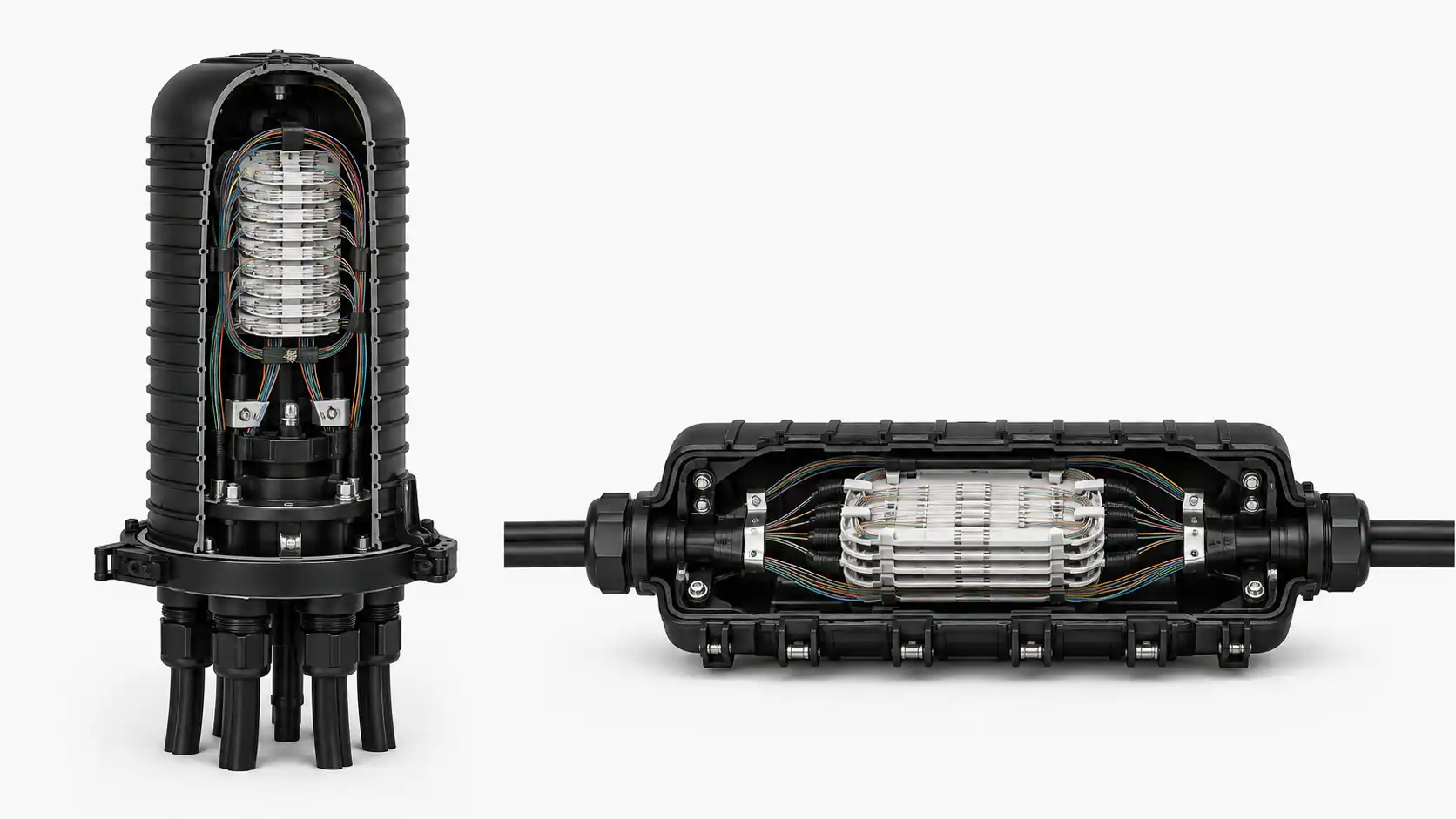
Treat the pigtail as part of the complete splice-management system. Confirm tray, sleeve holder, adapter panel, route, and identification before setting length or bundle construction.
Protect the bare or buffered section until the preparation point. Route service loops without sharp turns, crossings, or cover pressure.
Clean and inspect each connector before mating. Record fiber ID, port ID, splice position, and test result after installation.
For enclosure work, cross-check the fiber termination box installation guide; for outdoor routes, review the outdoor FTTH solutions. Model-specific instructions must control cleave, torque, tension, locking, sealing, or tool settings. This article intentionally does not invent universal values.
Common Failure Modes and Corrective Actions
| Observed problem | Probable specification gap | Verification | Corrective direction |
|---|---|---|---|
| A vague bend-insensitive label that cannot be audited | Exact fiber designation was incomplete or applied to the wrong configuration. | Compare the installed item with G.652.D, G.657.A1, G.657.A2, or the project-approved equivalent and the approved sample. | Preserve evidence, isolate the affected lot or structure, and correct the specification or installation method before replacement. |
| Ambiguous loss interpretation and restoration substitutions | Installed cable pairing was incomplete or applied to the wrong configuration. | Compare the installed item with field cable fiber, approved splice program, and mixed-fiber restrictions and the approved sample. | Preserve evidence, isolate the affected lot or structure, and correct the specification or installation method before replacement. |
| Loss that appears only when the door closes | Cabinet geometry was incomplete or applied to the wrong configuration. | Compare the installed item with routing channels, loop diameters, hinge zones, and cover movement and the approved sample. | Preserve evidence, isolate the affected lot or structure, and correct the specification or installation method before replacement. |
| Polish mismatch or unusable mating | Connector interface was incomplete or applied to the wrong configuration. | Compare the installed item with connector family, UPC/APC polish, adapter color, and port assignment and the approved sample. | Preserve evidence, isolate the affected lot or structure, and correct the specification or installation method before replacement. |
| Untraceable assemblies during failure analysis | Traceability was incomplete or applied to the wrong configuration. | Compare the installed item with fiber documentation, assembly test records, lot ID, and sample approval and the approved sample. | Preserve evidence, isolate the affected lot or structure, and correct the specification or installation method before replacement. |
Before moving fibers, loosening hardware, remaking a termination, or replacing a component, record photographs, labels, measurements or test data, part number, lot, tools, and environmental conditions. A repair that erases the original state may restore service but prevents root-cause learning.
When several failures appear in one lot or crew, compare common inputs: drawing revision, substitute material, packaging, tool condition, work instruction, training, and the sample that was approved.
Procurement and Incoming-Acceptance Checklist
Include the following fields in one controlled RFQ or submittal:
- Connector type and polish
- Fiber designation and mode
- Buffer, ribbon, or jacket construction
- Finished length and tolerance
- Color sequence and labels
- End-face inspection
- Optical test record
- Packaging and lot traceability
- Approved drawing and revision
- Sample approval status
- Quantity and packaging unit
- Lot traceability
- Required evidence or test report
- Change-notification rule
Send the application, quantity, drawings, interfaces, and required documents through the project inquiry form. The DIMI Fiber team can help identify unresolved product-family questions before a reliable quotation is prepared.
Incoming inspection should compare identity, dimensions, construction, labels, packaging, and representative function with the approved sample. Segregate unidentified or nonconforming material so it cannot be issued while the discrepancy is reviewed.
Questions to Ask a Supplier Before Ordering
- How is exact fiber designation defined for the quoted part, and which drawing, report, material document, or sample feature supports it?
- How is installed cable pairing defined for the quoted part, and which drawing, report, material document, or sample feature supports it?
- How is cabinet geometry defined for the quoted part, and which drawing, report, material document, or sample feature supports it?
- How is connector interface defined for the quoted part, and which drawing, report, material document, or sample feature supports it?
- How is traceability defined for the quoted part, and which drawing, report, material document, or sample feature supports it?
- Will production be identical to the approved sample, and how are design or material changes communicated?
- Which tools, caps, seals, brackets, adapters, cleaning items, or replacement parts are required but not included?
FAQ
Q: Is G.657.A always better than G.652.D?
A: No. Bend tolerance is only one criterion; installed fiber, route geometry, network rules, and evidence also matter.
Q: Does bend-insensitive fiber eliminate bend loss?
A: No. Pinching, crushing, very tight routing, and poor connector handling can still create loss.
Q: How can buyers prevent an unapproved substitute?
A: Use a controlled part description, approved drawing, first-article or sample record, revision ID, and change-notification clause. Similar appearance or the shortened keyword "g652d g657a fiber optic pigtail" does not establish equivalence.
Q: What should be verified before bulk production?
A: Verify system fit, interfaces, routing, installation sequence, service access, labels, applicable optical or mechanical acceptance, documentation, packaging, and traceability with the intended production construction.
Conclusion
Match pigtail fiber to the installed link and cabinet geometry; name the exact G.652.D or G.657.A designation and supporting evidence. The strongest purchase decision is traceable from the drawing to the BOM, sample, installation instruction, and acceptance record. Define the complete interface and evidence boundary before comparing price or delivery.
DIMI Fiber supports project-based configuration across fiber assemblies, passive components, enclosures, connectors, and outdoor hardware. Use the project inquiry form for a configuration review.